Showing posts with label Double-crested Cormorant. Show all posts

Sunday, February 21, 2021

Wakodahatchee Wetlands

 Sunday February 21st

Neotropic Cormorant

For several years now, the only reliable venue to look for Neotropic Cormorants is at Wakodahatchee Wetlands in Delray Beach in Palm Beach County. The bird is nested here and has young in the nest.

This venue is owned and operated by the Palm Beach County Utilities as a water reclamation project for the processing of treated waste water. The marsh they created acts a natural filter as these waters are returned to the environment. It is also open to the public to enjoy the great array of Florida wetland wildlife attracted to the marsh. Gators, turtles and green iguanas are common and the huge numbers of wading birds are on present and nesting within feet of curious visitors.


Believe this is an offspring of the Neotropic and a Double crested Cormorant

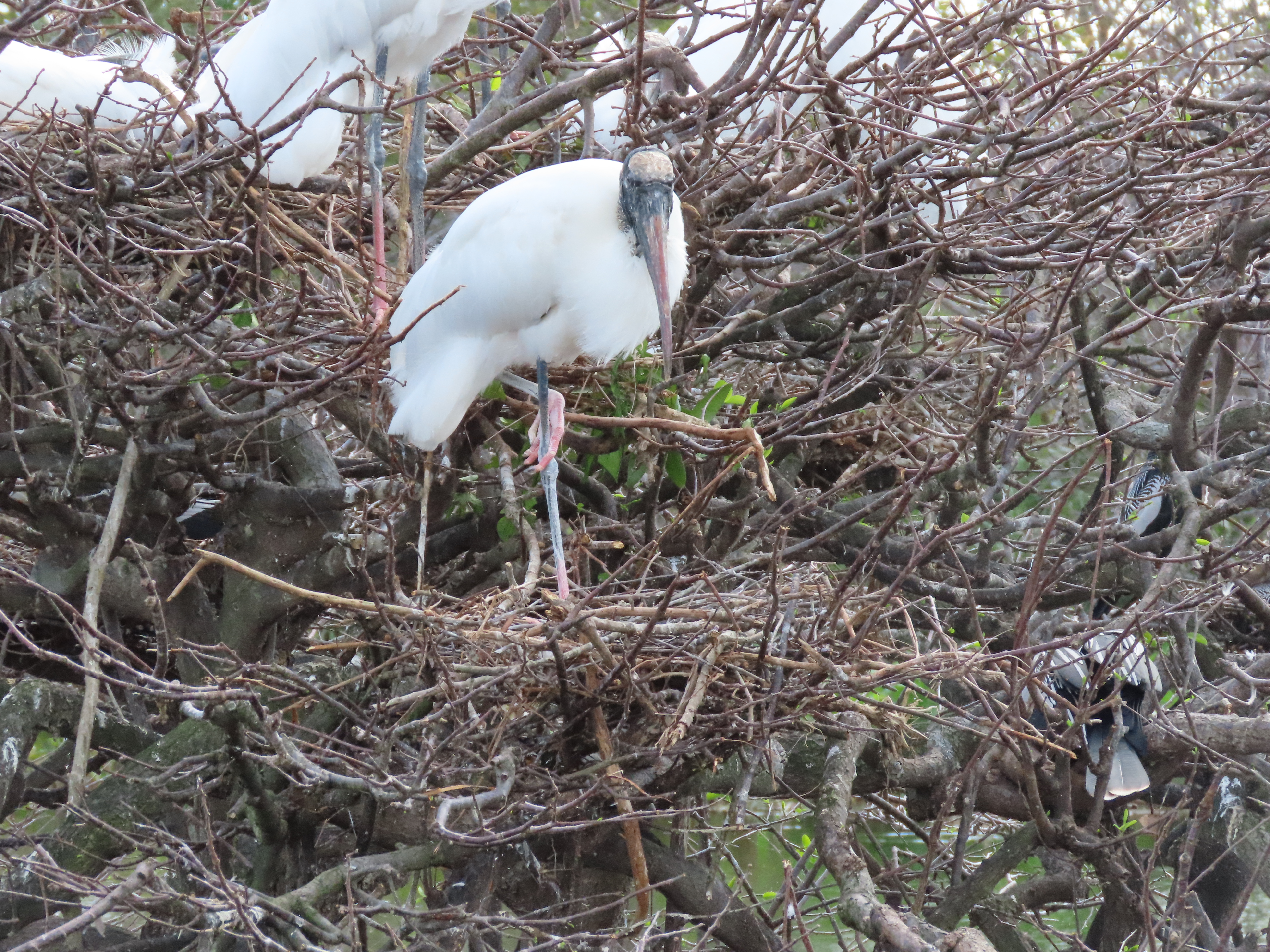
Nesting Wood Stork

Nesting Wood Stork

Nesting Wood Stork

Double-crested Cormorant on the nest

Male Anhinga sporting his breeding plumage

Male Anhinga sporting his breeding plumage

Female Anhinga

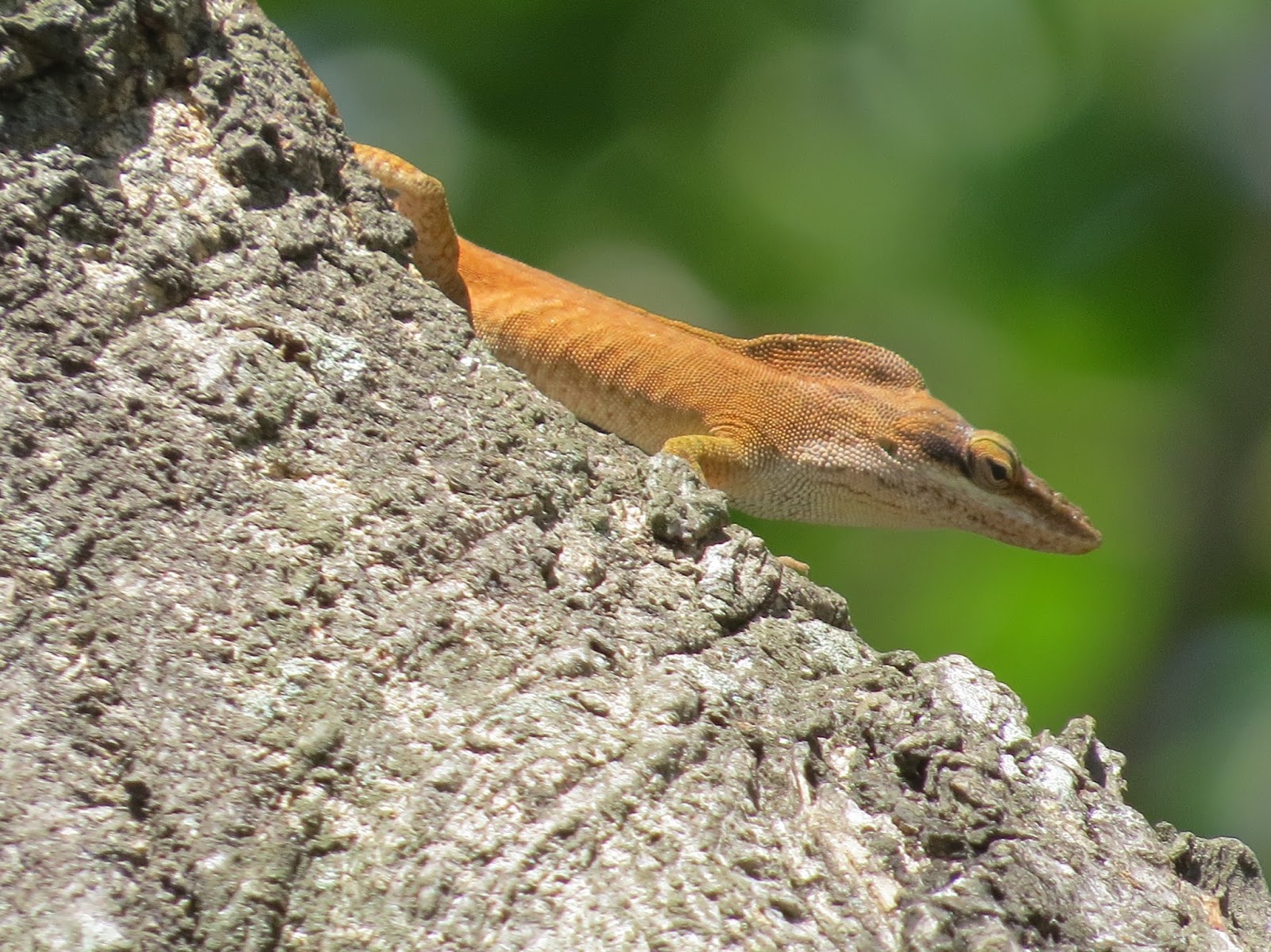
Green Iguana

Black-bellied Whistling Ducks

Gray-headed Swamphen

Black-bellied Whistling Ducks

Purple Gallinule

Glossy Ibis

Sailfin Mollies are a food source for many species here

Purple Martins have arrived

Great Blue Herons on a nest


Wednesday, November 9, 2016

Some of the Faces at Six-Mile Cypress

Wednesday, November 9th

Gray Squirrel
Today I spent about an hour at the Six-Mile Cypress Slough boardwalk. Basically was interested in a bit of walking and a bit of photography. The weather was nice, the light was good and the parking lot was quite full.


Double-Crested Cormorant

Anhinga

Carolina Wren

Red-Bellied Woodpecker dining on Dahoon Holly berries

Downy Woodpecker

Pileated Woodpecker

A Napping Black-Crowned Night-Heron

Florida Banded Watersnake

Tuesday, March 15, 2016

Crandon Park - Miami

Tuesday, March 15th

Yesterday, reports came out about the sighting of a Cuban Pewee, a rare vagrant to the U. S. being seen at Crandon Park in Miami.  The bird had been seen in the same area for the past two days, so there were a few birders, including Dave and Tammy McQuade, Dennis Peacock, Lee, Neil Hayward, Leslie Starr, Joe Turner, Trey Mitchell and  Larry Manfredi, who, today, waited for hours for a return visit of the rarity at the anointed sight. 

After seven hours Bob Pelkey and I gave up, as had most everyone else. Hopefully it'll be relocated soon. 

Birds we did observed at the location included Cape May, Yellow-rumped, Palm and Black-and-White Warblers, Red-bellied Woodpeckers, a Yellow-throated Vireo, Sandhill Cranes, Red-shouldered Hawk, Turkey Vultures, White Ibis, American Coot and Common Gallinules

Exotics

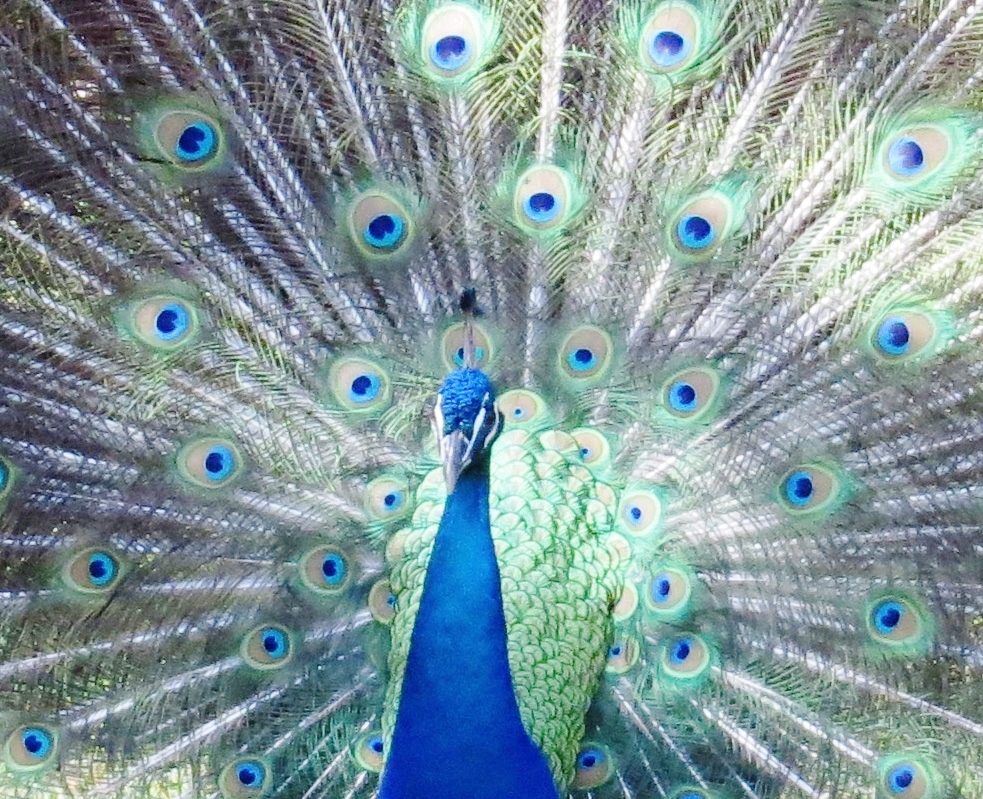
Lots of Peacocks were present


The park was loaded with lots of exotic birds and reptiles. Larry Manfredi was telling us that this location had once housed a mix exotic waterfowl and other birds. The surviving population included a large number of feral Peafowl and Egyptian Geese. Plus we observed several specimens of Spiny-tailed Iguanas of varying sizes.

Egyptian Geese
Spiny-tailed Iguana

Beach

On the beach, bordering the Biscayne Bay, were several gull and tern species including Herring Gulls, Lesser Black-backed Gulls, Laughing Gulls, Ring-billed Gulls and Royal Terns, Also present was a large gathering of Double-crested Cormorants, and a few Brown Pelicans.
Double-crested Cormorant

Royal Tern

Lesser Black-backed Gull

Lesser Black-backed Gull

Laughing Gull

Thursday, February 4, 2016

Looking For Birds in Gainesville

Monday, February 1st

It's vacation time and I've planned a five birding trip around North Florida looking for seasonal specialties. On Day One, Bob Pelkey and I, started out from Ft Myers to bird our way up to Gainesville.
A scene from Bayport Park

Double-Crested Cormorant at Bayport Park
But not all plans work out as scheduled. First off, a bad weather front was expecting to move in by Wednesday, spoiling our itinerary. But as were passing by Tampa, there was flat tire. Luckily the the delay was only a couple of hours. 


Horned Grebe with it catch


Red-Breasted Merganser at Bayport
Ruddy Turnstone

Our next stop was a visit to Bayport Park near Hernando Beach to look for a brewers blackbird that has wintered here the past few years. Missed the blackbird but found Horned Grebes, Common Loon,  and Forster's, Laughing and Ring-billed Gulls.


Then we stopped briefly at Tuscawilla Prairie Preserve at Micanopy in Alachua County. The target was a brown creeper. This are a very uncommon bird in Florida and would have been a nice to find one.  But not today.  We did add a Hermit Thrush, White-eyed Vireo and Yellow-rumped Warbler.

A View at Tuscawilla Preserve in Micanopy

By now time is getting tight. We'll have to pass on stops in Gainesville at the La Chua Trail and Magnolia Parke. We have an option to check them out on Tuesday morning before leaving town, but that approaching  weather front had to be eliminated that option. 

Blue-Winged Teal at Sweetwater

We did stop at Sweetwater Wetlands Preserve in south Gainesville. A new venue for us and outstanding property for birding. We only spent a couple of hours, but could have spent twice the time. We found Black-Bellied Whistling Ducks, Blue-winged Teal, Northern Shovelers, Limpkins, Coots, Common Gallinules, Glossy and White Ibis, lots of other waders, Osprey, Soras, Wilson's Snipe
Limpkin at Sweetwater
Black-Bellied Whistling Duck

A Northern Shoveler

Sora

A Wilson's Snipe

A Gainesville Gator

Lastly we had to be at Dauer Hall on the U of Florida campus before sundown to witness the wintering Vaux's Swift as they came into roost in the chimney of this building. We arrived by 5 pm and had almost a hour's wait till we spotted the first swift at 5:57 as it circled the building. No more were seen till the flock arrived about 6:10 and enter the chimney in a sudden burst. Due to the diminished light and the birds rapid movement we could not capture any photos.

Vaux's Swift are a far western bird and it is highly irregular. though not unheard of, for these birds to winter in Florida instead of Mexico. The swifts were Lifer's for both of us
Dauer Hall, University of Florida