Showing posts with label Purple Sandpiper. Show all posts

Saturday, January 9, 2021

The Keys

 Friday January 8th

Last weekend I drove back down to the Florida Keys for some first of the year birding, plus some birding at Lucky Hammock at Frog Pond WMA.  

Purple Sandpiper


First birds of the day were Common Mynas in Florida City, then it was onto Key Largo. White-crowned Pigeons frequently seen in flight along with Eurasian Collared Doves and Magnificent Frigatebirds. At Tavernier, made a stop at Harry Harris Beach Park for the Purple Sandpiper. His shorebird is wintering far south of its traditionally range. 

A distant look at the Cuban Pewee

Got to Big Pine Key about 11am and had to do a bit of search for the Cuban Pewee at Blue Hole, in the National Key Deer Preserve.  But I did get a distance look. The alligators at Blue Hole are a bit more uncommon here in then in most of Florida because there is little fresh water habitat available in the Keys. 

Then went onto Key West for the the Red-legged Thrush at the Key West Tropical Forest and Botanical Gardens. Dipped on this bird, but had met some birders who had just seen the American Flamingo at Sammy's Creek Landing WEA on Sugarloaf Key.  Hadn't heard about this flamingo sighting till now and quickly ran down the details and was looking at this bird about forty-five minutes later. Finding the flamingo was a surprise.


American Flamingo at Sugarloaf Key

Tried to get back up to Florida City before dark, but traffic can be so bad here and it was. 

Gray Catbirds were very numerous at Lucky Hammock

On Day 2 headed over to Lucky Hammock.  Lots of potential special birds to see. I actually had a lifer with spotting a Scaly-breasted Munia in the tall elephant grass. Could hear the 'Whit' calls of the Brown-crested Flycatcher. A pair of Painted Buntings, Limpkins, Brown Thrasher, Gray catbirds, Cowbirds and a Northern Harrier were also present. But had to leave before some of the more interesting birds popped up. Still was a fun weekend. Will need to return soon.


Autograph Tree at Key West Tropical Forest

Florida Silver Palm at Blue Hole

Great Crested Flycatcher at Blue Hole

Green Iguana at Blue Hole

Alligator at Blue Hole

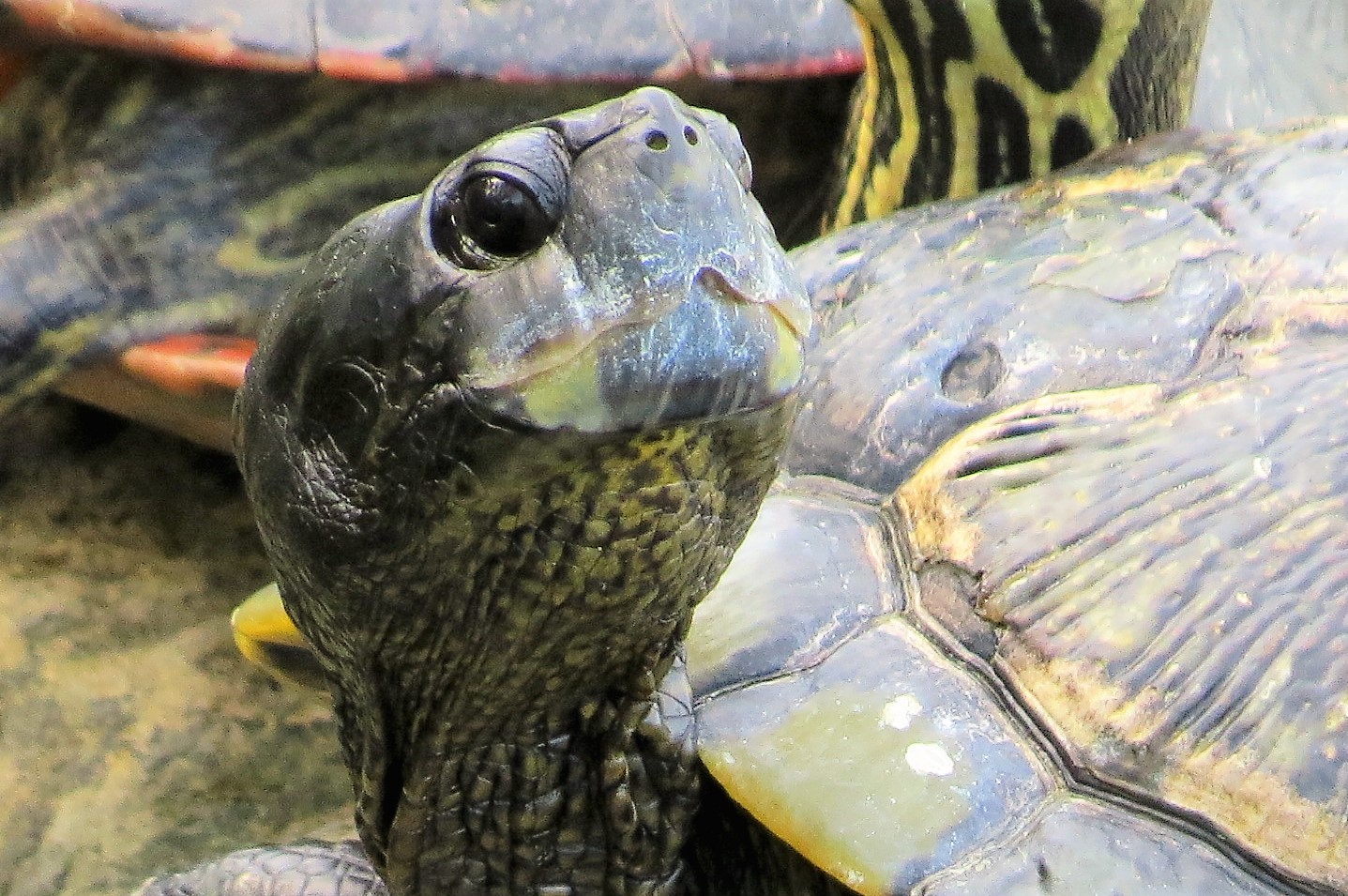
Turtle basking at Blue Hole

Spotted Sandpiper at Harry Harris Beach Park

Saturday, February 6, 2016

Merritt Island NWR

Wednesday, February 3rd

Day 3
Lifeguard Station at Ponce Inlet


Day three, on this birding vacation, was supposed to be spent at Florida Caverns State Park near Marianna, plus searching the barren cotton and peanut fields for horned larks and such. But thunderstorms are expected, so we're skipping this day's scheduled venues and heading over to the Atlantic Coast a day early.
A young Great Black-back Gull at Ponce

So we left Tallahassee for the long drive toward Ormond Beach for some sea watching. At a location at Gamble Roger State Park we checked the skies for sea birds and Bob did point out that the winds weren't good for us.  

Was able to spot a few Northern Gannets and Brown Pelicans off shore. I've been lucky in the past  to witness hundreds of gannets as well passing jaegers and sea ducks at this location.  On the beach were a few gulls and terns including Herring, Ring-billed and Laughing Gulls, plus Royal, Sandwich and Forster's Terns and Black Skimmers. 

After this short stop at the beach, we moved onto Ponce Point Lighthouse Park. Most winters this location is one of two or three venues in Florida to find Purple Sandpipers. Today the the winds a blowing hard and the surf is crashing. The are actually people trying to surf. 


Purple Sandpiper
Ruddy Turnstone

Ponce Lighthouse

We were able to easily locate and photograph the Purple Sandpiper, as well as a few other shore birds and gulls. Resident Gopher Tortoises also gave us a show.

This Tortoise was very aggressive with another tortoise and did attach it
Finally, we moved onto Merritt Island National Wildlife Refuge to see if any waterfowl could be seen. But just as we saw with the Canada Geese in Tallahassee and the ponds at St Marks, the waters were bare of ducks. We estimated a count of 5000 American Coots along the Black Point Wildlife Drive and the along the Peacock Pocket Road. As for ducks we only counted twenty-four Blue-winged Teal, three Shovelers, five Lesser Scaups and a pair of Mottled Ducks. A review of e-Bird records shows that the waterfowl usually remain well into March and later. However its apparent  that they have left early to return North. No doubt due to the high water levels  here and a very mild winter. 
Great Blue Heron

Horned Grebe

Wood Stork

Other bird like observed included lots of the expected waders including over twenty Rosette Spoonbills and Reddish Egrets, But not many shorebirds - Dunlin, Sanderlings, Least Sandpipers and Greater and Lesser Yellowlegs. Didn't see any American Avocets.  Other birds included Common GallinuleCaspian, Royal and Forster's Terns, Ringed-billed Gulls, Pied-billed and Horned Grebes, a Wild Turkey, Ospreys, Northern Harrier and Bald Eagle

Our exit from Merritt Island ended the birding vacation. We ended up cutting two full days out of trip, mostly due to the weather. Just the same we had about 125 species and three Lifers for me. All Good.

Trip Count ( 125) 
Black-bellied Whistling Duck, Wood Duck, Mottled duck, Blue-winged Teal, Northern Shoveler, Redhead, Ring-necked Duck, Lesser Scaup, Bufflehead, Red-breasted Merganser, Wild Turkey, Common Loon, Pied-billed Grebe, Horned Grebe, Wood Stork, Northern Gannet, Double-crested Cormorant, Anhinga, American White Pelican, Brown Pelican, Sandhill Crane, American Bittern, Great Blue Heron, Great Egret, Snowy Egret, Little Blue Heron, Tricolored Heron, Reddish Egret, Cattle Egret, Black-crowned Night-heron, White Ibis, Glossy Ibis, Roseate Spoonbill, Black Vulture, Turkey Vulture, Osprey, Northern Harrier, Bald eagle, Red-shouldered Hawk, Clapper Rail, Sora, Purple Gallinule, Common Gallinule, American Coot, Limpkin, Black-bellied Plover, Semipalmated Plover, Killdeer, Greater Yellowlegs, Willet, Lesser Willet, Ruddy Turnstone, Sanderling, Dunlin, Purple Sandpiper, Least sandpiper, Western Sandpiper, Short-billed Dowitcher, Wilson's Snipe, Laughing Gull, Ring-billed Gull, Herring Gull, Great Black-backed Gull, Caspian Tern, Forster's Tern, Sandwich Tern, Black Skimmer, Rock Pigeon, Eurasian Collared-Dove, Common Ground-Dove, Mourning Dove, Great Horned Owl, Vaux's Swift, Ruby-throated Hummingbird, Black-chinned Hummingbird, Rufous Hummingbird. Calliope Hummingbird, Belted Kingfisher, Red-bellied Woodpecker, Downy Woodpecker, American Kestrel,  Eastern Phoebe, Vermilion Flycatcher, Loggerhead Shrike, White-eyed Vireo, Blue Jay, American crow, Fish Crow, Tree Swallow, Carolina Chickadee, Tufted Titmouse, White-breasted Nuthatch, House Wren, Sedge Wren, Marsh Wren, Carolina Wren, Blue-gray Gnatcatcher, Eastern Bluebird, Hermit Thrush, American Robin, Northern Mockingbird, Eurasian Starling, American Pipit, Cedar Waxwing, Orange-crowned Warbler, Common Yellowthroat, Palm Warbler, Pine Warbler, Yellow-rumped Warbler, Chipping Sparrow, Savannah Sparrow, Song Sparrow, Swamp Sparrow, Eastern Towhee, Northern Cardinal, Red-winged Blackbird, Eastern Meadowlark, Boat-tailed Grackle, Common Grackle, Baltimore Oriole, House Finch, Pine Siskin, American Goldfinch and House Sparrow

Thursday, January 26, 2012

Fork-tailed Flycatcher at Cockroach Bay

Thursday, January 26th

Fork-tailed Flycatcher near Cockroach Bay Preserve
I was concerned that I would not be able to twitch after the reported Fork-tailed Flycatcher before it disappeared. A couple of years ago I had been a day two late with getting to Pelican NWR to see the FTFY that had stayed there for several days. But today I was able to finally find one.

The seawall hosting the purple sandpiper
I had arrived at the Lost River Trail road, near Cockroach Bay Preserve in Hillsbough County about 9:30 Am and two minutes too late. As reported by the birders who are now leaving. The flycatcher had just flown off across the pond.  Spent about an hour checking the area, but I left knowing that it would probably return, as usual, in the late afternoon.

Purple Sandpiper

I had two other target birds for the day at Ft DeSoto. The lark sparrow that has settled in near the fort and a newly reported purple sandpiper in the same area. Spent about two hours in the search, plus lunch.  Did find the Purple Sandpiper, which is very uncommon on the Gulf Coast.  But the sparrow had to be out to lunch.

Got back to Lost River Trail about 2:30 pm and waited with four other birders/photographers for the Fork-tailed Flycatcher's return. It was about 3:15 and it did put on a show.  Other birds for the day included American White Pelicans, Redheads, Red-breasted Merganser, Killdeer, Hooded Merganser, Glossy Ibis, Bald Eagles, Sandhill Cranes, Savannah Sparrow, Eastern Phoebe, Royal Terns, American Robins, Prairie Warbler, American Kestrels, Loggerhead Shrikes and Northern Mockingbirds.


Monday, February 1, 2010

Tundra Swans
Payne’s Prairie to New Smyrna Dunes

January 22nd - Day #4

Payne’s Prairie -
 On day four of my birding vacation I arrived about 8:00am at the LaChua Trail in Payne’s Prairie Preserve, south of Gainesville, Florida. Had earlier started my day with a Carolina Wren and a flock of American White Pelicans flying over the hotel parking in town, which I took as a good omen for the trip.

We had lived in Gainesville back in the 80s when I was the cafeteria manager at the nearby Nationwide Insurance regional offices. At that time I was too busy with work and tending to my growing family for birding. In fact I was just starting up my interest in family history research which did eat up my spare time. So now I am back to check out a great birding site.

Back in January 2009 was, in fact, my first visit to the LaChua Trail, which is very impressive. Had been attracted here by Florida Rare Bird Alerts to a Harris’s Sparrow, very rare in Florida, and of the presence of a pair of Whooping Cranes. On that visit I did score on the Harris’s Sparrow and on the Whooping Cranes. Both lifers.

The whoopers were among several thousand Sandhill Cranes wintering on the prairie. They were adorned with tags and telemetry, as they were a part of the flock of birds that wildlife management are trying to reestablish to Florida. This status negates their qualifying as ABA countable at this time, but I had to see them in the wild and they are now on my lists. Technically, I need to look for them in Texas on their wintering grounds or at the Platte River during migration. But I don’t live over there, I live here.

A surprise last year was the arrival of a flock of Snow Geese. Very unusual in Florida. I witnessed their arrival and was able to get a photograph as they grazed among the cranes. Several days later I noticed remarks on the Birdbrains message board about these same geese and that in fact one of them was a rarer Ross’s Goose. A review of my photos showed that I had a photo of the bird. Cool! Two new lifers. Plus I was able to see one of the resident bison, that lives on the prairie along with a herd of wild horses.

My 2009 list - Snow Goose, Ross's Goose

This year was different. The thousands of cranes, including the whoopers were not on-hand this day. Did find about thirty Sandhill Cranes. Also counted well over a hundred large, some very large, alligators warming themselves in the sun along the trail on this chilly morning. Got five sparrows including Field, Chipping, Vesper, Savannah and White-Crowned Sparrows. Found four ducks including Mottled Ducks, Wood Ducks, Northern Shovelers and Blue-winged Teal. Other interesting sightings included Stilted Sandpipers, Merlin (supposed to be very unusual here), Northern Harrier, Eastern Towhee and an American Bittern. Plus a fly-over of Long-Billed Dowitchers.

My 2010 list - Wood Duck, Mottled Duck, Blue-winged Teal, Northern Shoveler, Wild Turkey, American White Pelican, Double-crested Cormorant, American Bittern, Great Blue Heron, Snowy Egret, Little Blue Heron, Cattle Egret, White Ibis, Glossy Ibis, Wood Stork, Black Vulture, Turkey Vulture, Northern Harrier, Red-shouldered Hawk, Merlin, Common Moorhen, American Coot, Sandhill Crane, Killdeer, Greater Yellowlegs, Stilt Sandpiper, Long-billed Dowitcher, Eastern Phoebe, Blue Jay, American Crow, Tufted Titmouse, Carolina Wren, House Wren, Northern Mockingbird, Palm Warbler, Common Yellowthroat, Eastern Towhee, Chipping Sparrow, Field Sparrow, Vesper Sparrow, Savannah Sparrow, White-crowned Sparrow, Northern Cardinal, Red-winged Blackbird , Northern Shoveler, Pied-billed Grebe, American Bittern, Great Blue Heron, Great Egret, Little Blue Heron, Cattle Egret, White Ibis, Glossy Ibis, Bald Eagle, Northern Harrier, Red-shouldered Hawk, Merlin, Common Moorhen, American Coot, Sandhill Crane, Whooping Crane, Killdeer, Stilt Sandpiper, Eastern Phoebe, Loggerhead Shrike, Blue Jay, House Wren, Northern Mockingbird, Palm Warbler, Chipping Sparrow, Vesper Sparrow, Savannah Sparrow, Song Sparrow, Harris's Sparrow, White-crowned Sparrow, Red-winged Blackbird, Common Grackle, Boat-tailed Grackle


My list - Tundra Swan, Pied-billed Grebe, Merlin, Loggerhead Shrike, Eastern Meadowlark
Bartram Farm, St John’s CountyNext was about an hours drive east toward St Augustine for a pair of juvenile Tundra Swans wintering on the Bartram Farm development along CR13A in St John’s County. This is an extremely southern location for this species and the initial observation reported that original flock was of twenty birds. For some reason these two elected to stay put, which is fine with me as I had been considering a trip to South Carolina to look for wintering swans. Should make the trip someday. Following the Florida Rare Bird Alert directions I drove right up the swans. They were standing on the shore of the lake right next to the roadway. Pretty cool!! Another lifer.


My list - Northern Gannet, Brown Pelican, Double-crested Cormorant, Willet, Ruddy Turnstone, Sanderling, Laughing Gull, Ring-billed Gull, Black Skimmer, Parasitic Jaeger
Gamble Rodgers recreation Area
Next, onto the Atlantic Ocean. Arrived at Flagler Beach about 2:00pm and was amazed by the hundreds of Northern Gannets feeding off the beach. Checked in at the Gamble Rodgers park to look for the reported common eider that had been enjoying this stretch of beach. It was a no-show during my visit, but there was still a good show to watch. The Northern Gannets continued feeding and I had a lifer appear when a dark-morphed Parasitic Jaeger flew in, harassing a gull. With it getting late, I passed on the Florida scrub jays and marsh wrens to be found in the habitat on the western side of A1A at Gamble Rodgers park 
New Smyrna Beach
My last stop for the day was at New Smyrna Beach at the Ponce Inlet in Volusia County. Arrived about 4:00pm, so I hurried along the boardwalk toward the rock jetty for my target. Ponce Inlet is about the most southerly location to reliably locate wintering Purple Sandpipers. I did find a pair of these birds here last year and in a recent email request about them with local Ponce Inlet birding expert, Michael Brothers, a reported recent survey found a pair on the Smyrna Jetty. They prefer rocky shorelines, or rocky jetties and are often in the company of ruddy turnstones.

I attempted to walk along the boulders making up the jetty, but my shoes were too slick for the slippery rock. About had a serious spill, much for the entertainment for the locals. I did get my tick on the Purple Sandpiper, but it was too far out for my camera. So I’ve include a shot from last year. As I was heading out the Northern Gannets arrived at the inlet and were actively feeding. Cool!!.

My list - Northern Gannet, Brown Pelican, Snowy Egret, Willet, Ruddy Turnstone, Purple Sandpiper, Laughing Gull, Ring-billed Gull, Black Skimmer, Eastern Phoebe, Yellow-rumped Warbler


Whooping Crane with crowd of Sandhill Cranes from January 23, 2009


A Ross's and Snow Geese grazing with the cranes at Paynes Prairie January 23, 2009


Alligator sunning along side LaChua Trail - 2010
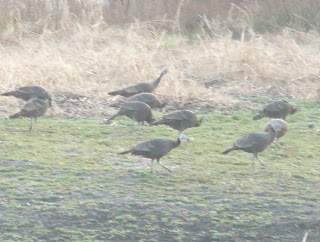


Flock of Turkeys along LaChua Trail in the early morning - 2010


Purple Sandpiper on the jetty at New Smyrna Beach in 2009

Pair of juvenile Tundra Swans at bartram farm in St John's County - 2010


A trio of Ruddy Turnstones on the Jetty at New Smyrna Beach - 2010


Count for the day was 59