Showing posts with label Dark-eyed Junco. Show all posts

Thursday, September 28, 2017

Roan Mountain

Tuesday September  26th

Today I was able to step onto the Appalachian Trail.


I've  walked sections of the trail in my younger days. Been on the AT in Shenandoah Valley National Park, The Delaware Water Gap and in Eastern Tennessee. And today I've returned to the Tennessee-North Carolina border.

 The trail crosses the Balds of Roan Mountain and can be accessed at Carver's Gap in the Cherokee National Forest. The attraction for birders to visit here is that the high elevations in the Southern Appalachians features eco-systems more commonly found in more northerly latitudes. Above 5000 feet of elevation the eco-system can be described as the Canadian Zone.  Birders, visiting in September, can be treated to Juncos, Red-breasted Nuthatches, Ravens and Kinglets, plus migrating songbirds and raptors passing through the Gap. 

Northern Saw-whet Owls can be found (heard) here in early summer.

As the elevations rise, from entering the Roan Mountain State Park to the summit, the variety of birdlife changes.


See Tennessee Watchable Wildlife web site for a excellent description on when and were to locate birds of interest on Roan Mountain. June is probably the best time of year to do some birding for species like nesting Golden-winged Warblers, Adler and Willow Flycatchers and the Northern Saw-whet Owl. Hopefully I can return next June.

The Trail up Roan Mountain

Juncos were very common atop Roan Mountain

Hiked to the top of the Bald from Carver's Gap and encountered a few of those resident northern species such as Common Raven, Dark-eyed Juncos, Red-breasted Nuthatches, Eastern Towhee and Golden-crowned Kinglets.

Migrants were strikingly absent today. Only encountered a sole Chimney Swift, a single Broad-winged Hawk, several Ruby-crowned Kinglets, a couple of Blue-headed Vireos and a couple of Palm Warblers.


A View from Atop the Round Bald on Roan Mountain

A View from Carver's Gap

Roan Mountain Visitor Center

 Roan Mountain State Park


Took some time in the afternoon to do some additional birding in the state park. Not much in the way of any migrants, but did find Eastern Phoebe, Carolina Chickadees, Carolina Wrens, American Robin, Gray Catbird, Tufted Titmice, American Crow, Blue-headed Vireo and Downy Woodpecker.


In 1870, General John T Wilder purchased this property and would establish the Peg Leg Mine. 
Used a similar water Wheel, along the Doe River, to crush the mined iron ore

Sycamore Shoals State Historic Park


Reconstructed Fort Watauga at Sycamore Shoals

 Made a final stop for the day at Sycamore Shoals State Park in nearby Elizabethton, Tennessee. The park is the sight for the reconstruction of Fort Watauga where local patriot militias, known as the 'Overmoutian Men' assembled to defend against British troops in the American Revolution. They would meet the British later on Kings Mountain, North Carolina for a short but bloody victory.

Again the birding wasn't that great but did add Canada Geese and a Song Sparrow down at the Watauga River

Canada Goose


Monday, February 16, 2015

Winter Birding in North Carolina


February 9th - 12th
Mute Swans at Lake Mattamuskeet, North Carolina

With some encouragement from a co-worker, I set-up a three day trip to North Carolina. I had a long standing goal to see the wintering masses of  swans and geese that congregate in the Carolinas. But have been putting it off for some time. So with a little push, I pulled the trigger.

While planning this trip, I expanded the itinerary to include venues around Virginia Beach and the Outer Banks. Stayed at a hotel on the beach near Kitty Hawk. Being off-season the rates were very good.


Day One - Virginia

Bufflehead at Pleasure House Point - Virginia Beach
Arrived in Norfolk, Virginia  just past noon and was at my first venue within the hour. Checked out Pleasure House Point in Virginia Beach. A good spot for waterfowl and passerines. Lots of Buffleheads and Gadwalls, plus American Wigeons, Red-breasted Mergansers, Ruddy Ducks, Cormorants, Bonaparte's Gulls, Great Black Back Gulls, Carolina Chickadees, and Song Sparrow


Song Sparrow at Pleasure House Point, Virginia Beach

Bonaparte's Gull at Grandview Nature Preserve, Hampton, Virginia


Then onto Grandview Nature Preserve in Hampton, Virginia. The preserve stretches along several miles of coast line and was an excellent spot for viewing sea ducks.  The weather conditions were a bit rough with temps in the thirties, overcast skies and gusty winds. The wetlands that sit between the street parking and the beach held Canada Geese, Hooded and Red-breasted Mergansers, American Black Ducks and Mallards.  At the beach I had a Lifer in sighting several Red-throated Loons. Also had a suspected red-necked grebe. Did have a lone Horned Grebe, many Ringed-billed, Bonaparte's and Great Black Backed Gulls and all three Scoters. Lots of Buffleheads, plus a small flock of Long-tailed Ducks flying-in to join a few Common Goldeneye.  Also large numbers of Sanderlings and Dunlin.  The much hoped for snow buntings and lapwing longspurs were not present at the expected location.  Perhaps due to the presence of a hunting Northern Harrier


Day Two - North Carolina

The weather conditions for the day have worsen. Colder, windier with a very heavy surf. On this day I visited two new venues. Mattamuskeet NWR in Hyde County, NC and Pettigrew SP in Creswell, NC. Before reaching the refuge several hard flocks of Snow Geese and Tundra Swans were seen resting in farm fields. The refuge features lots of Canada Geese, Tundra Swans, Mallards, Northern Pintails,  Northern Shovelers, American Coots, Gadwall, Blue-winged Teal, American Black Ducks, Greater Yellowlegs, DC Cormorants, Great Egrets, Northern Harriers, a Cackling Goose and even a pair of Mute Swans. One nice sighting was a mixed flock of birds including Carolina Chickadees, Cardinals, Downy Woodpecker, Ruby and Golden-crowned Kinglets, a Fox Sparrow and American Robins.


Tundra Swans at Mattamuskeet NWR

Northern Pintail


Tundra Swan

Canada Goose

Tundra Swans at rest in Farm Field - North Carolina

At Pettigrew, spent time on the very cold but birdy boardwalk at the boat launch location. More Robins and several Sparrows including White-throated, Savannah, Swamp Sparrows and Dark-eyed Juncos. Also Carolina Chickadees, Carolina Wren, Tufted Titmice, Cardinals, Blue Jays, American Kestrel and Sharp-shinned Hawk. Even flushed an American Woodcock. No waterfowl could be seen on the choppy lake.


Swamp Sparrow at Pettigrew State Park

Dark-eyed Junco at Pettigrew State Park


Day Three - The Outer Banks

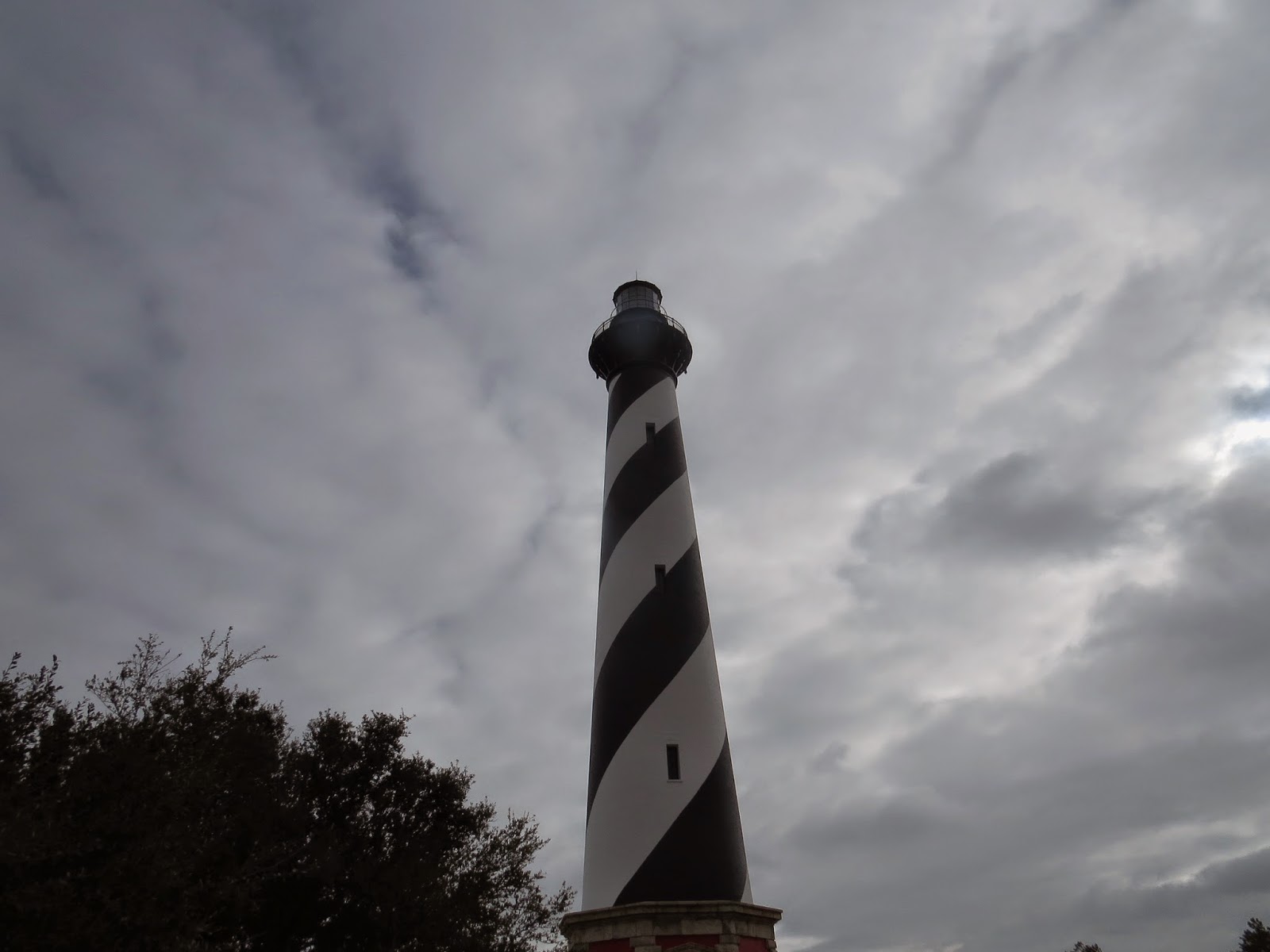
Nasty weather conditions continue. Visited two new venues today. Currituck Heritage Park in  Corolla, NC and a drive south on the Outer Banks terminating at the Cape Hatteras Lighthouse.
Cape Hatteras Lighthouse

White Ibis at Currituck
 in Buxton, NC. At Currituck I had many of the same waterfowl - Tundra Swans, Canada Geese, Buffleheads, Red-breasted Mergansers, American Wigeons and Mallard hybrids, More Ring-billed Gulls, White Ibis and Savannah Sparrows. On the drive out to Cape Hatteras saw hundreds of Snow Geese flying northward. The wetlands area at the lighthouse featured more Canada Geese, Mallards, American Black Ducks, Redheads, Ring-necked Ducks, Green-winged Teal and a Wilson's Snipe   


A surprise find of a water moccasin on a cold day at Currituck

Hybrid Mallards

American Robin

Song Sparrow

Whale Skull on Display at Currituck

Lighthouse at Currituck
Redhead at Hatteras Lighthouse

White-tailed Deer at Lighthouse

Snow Goose ( formerly Blue Goose)

Snow Geese

Great Black Back Gulls
Trip Species List (89)
Snow Goose
Cackling Goose
Canada Goose
Mute Swan
Tundra Swan
Gadwall
American Wigeon
American Black Duck
Mallard
Blue-winged Teal
Northern Shoveler
Northern Pintail
Green-winged Teal
Redhead
Ring-necked Duck
Surf Scoter
White-winged Scoter
Black Scoter
Long-tailed Duck
Bufflehead
Common Goldeneye
Hooded Merganser
Red-breasted Merganser
Ruddy Duck
Red-throated Loon
Common Loon
Horned Grebe
Northern Gannet
Double-crested Cormorant
Brown Pelican
Great Blue Heron
Great Egret
Snowy Egret
Black-crowned Night-Heron
White Ibis
Black Vulture
Turkey Vulture
Osprey
Northern Harrier
Sharp-shinned Hawk
Bald Eagle
American Coot
Black-bellied Plover
Killdeer
Greater Yellowlegs
Ruddy Turnstone
Sanderling
Dunlin
Wilson's Snipe
American Woodcock
Bonaparte's Gull
Ring-billed Gull
Herring Gull
Great Black-backed Gull
Forster's Tern
Rock Pigeon
Mourning Dove
Belted Kingfisher
Red-bellied Woodpecker
Downy Woodpecker
American Kestrel
Eastern Phoebe
Blue Jay
American Crow
Carolina Chickadee
Tufted Titmouse
Carolina Wren
Golden-crowned Kinglet
Ruby-crowned Kinglet
Eastern Bluebird
American Robin
Northern Mockingbird
European Starling
Palm Warbler
Pine Warbler
Yellow-rumped Warbler
Eastern Towhee
Chipping Sparrow
Savannah Sparrow
Fox Sparrow
Song Sparrow
Swamp Sparrow
White-throated Sparrow
Dark-eyed Junco
Northern Cardinal
Red-winged Blackbird
Eastern Meadowlark
Common Grackle
American Goldfinch


Sunday, October 17, 2010

Oregan Juncos - Steptoe Butte, Whitman County, Washington

Oregan Juncos -
Steptoe Butte, Whitman County, Washington
Sunday, October 10th

A flushed pheasant wouldn't pose for a picture be the Llama was obliging
 One suggestion I received on possible birding sites in Washington was the Steptoe Butte State Park. Jon Iscoff had made a few suggestions for birding around Spokane and Steptoe Butte was one that was convenient to my travels between Spokane and Moscow. Due to its altitude there was possibilities for some Arctic migrants to be found.  Including horned lark, lapland longspur and snow bunting. So as a last minute decision I elected to stop here on my way back to Spokane from Lewiston.

Along the access road to the state park, I noticed a male Ring-necked Pheasant in a field on my right. And as I stopped to see if I could get a photo,  the pheasant elected not to pose. It flushed across the road to the llama farm on the left.  Well, the llamas were far more obliging.

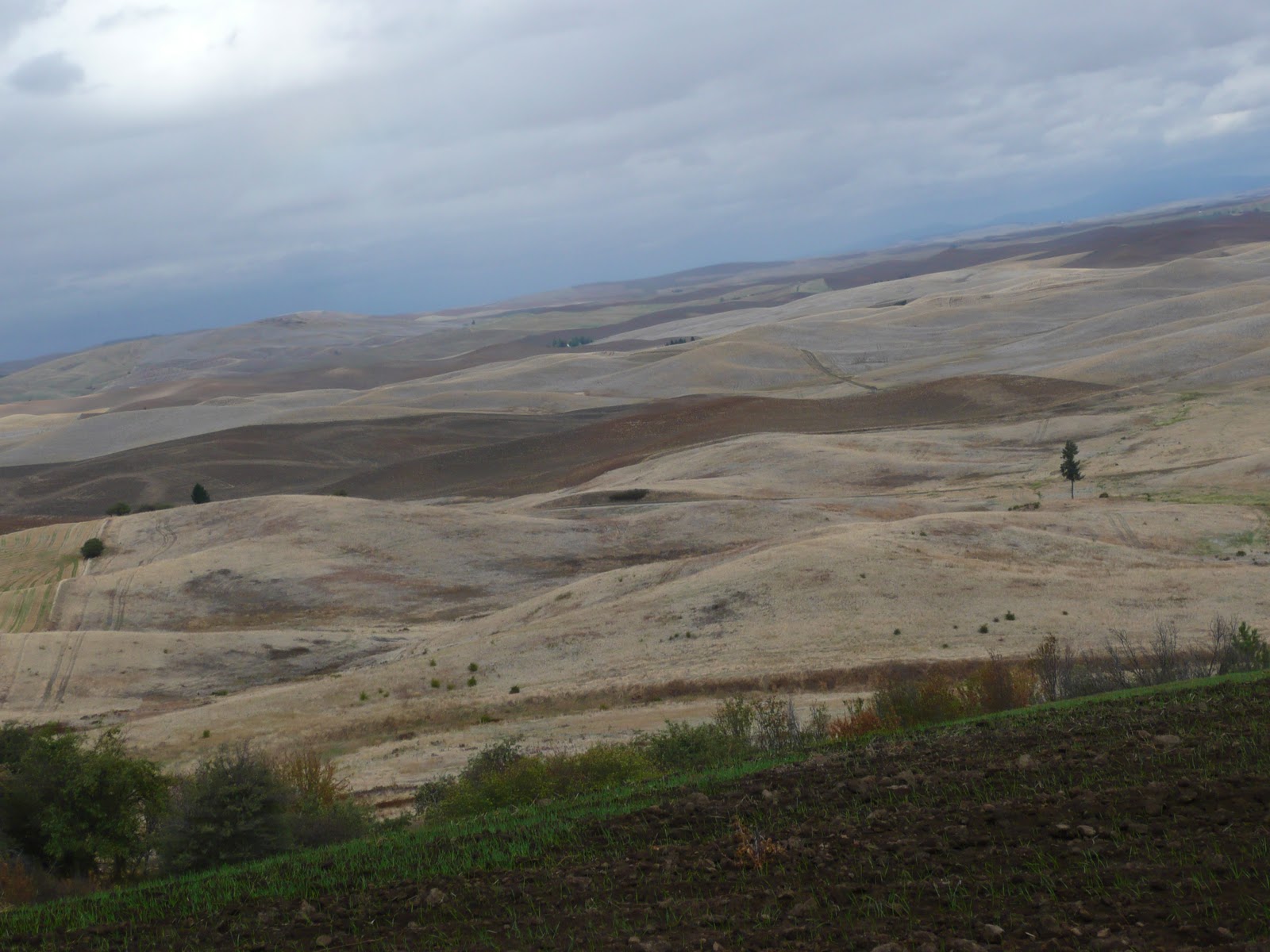
Steptoe Butte
 Found the drive to the top to be a uncomfortable trip with the narrow lane and sheer drop-off. Did not see any birdlife on the way up, but the views were cool. Did not see any birds at the top either. Returned to bottom and birded around the entrance. Were a pair of Cooper's Hawks were zipping through the trees and may have been after a flock of "Oregon" Dark-eyed Juncos. Maybe the Northern Flicker that joined them as well.

The Oregon subspecies of the dark-eyed junco is a beautifully bird featuring a dark hood whereas the dark-eyed juncos I recall from Illinois were called Slate-side Juncos.

Was able to add Brown-headed Cowbird after leaving the park when I observed a cowbird flew onto the rump of a horse in a nearby pasture. Understand that this is a common practise with this bird, just hadn't seen before.


View from the top

Another view from the top

Guard rails were not always were you'd like to see one on the drive to the top

I suppose I could have walked to the top

My List at Steptoe Butte - (7)
Ring-necked Pheasant, Cooper's Hawk, Red-tailed Hawk, American Kestrel, Northern Flicker, Dark-eyed Junco, Brown-headed Cowbird

Friday, October 15, 2010

Greater White-Fronted Geese - Mann Lake, Idaho

Greater White-Fronted Geese -
Mann Lake, Idaho - The Big Sit
Sunday October 10th


I had great expectations on my visit to Mann Lake, which is near to Lewiston, Idaho, as a potential for several more lifer birds such as the eared, western, horned and clark's grebes, common merganser and more.
Had followed Terry Gray from Palouse Audubon on his regular trip reports here and had contacted Terry and Charles Swift about birding Sunday the 10th at Mann Lake. Terry is leading weekly trips each Saturday during October. But my daughter's wedding was on Saturday.  So I contacted Charles Swift who was heading a "Big Sit' event there on Sunday. Perfect.

The wedding went well in Moscow on Saturday. The only birding I did was to observe a very busy flock of Cedar Waxwings working the bushes as the photographer was arranging her shots on the campus at the University of Idaho.

Cedar Waxwing on the campus of U of I, Moscow, Idaho
Rose early Sunday morning to make the two hour plus drive from our hotel in Spokane to the Lewiston, Idaho community on the Snake River. The terrain in eastern Washington is a rolling hill topography called palouse and is dominated by wheat farming. Few cattle are seen grazing, but around the small communities several llama farms are operating instead of cattle.  On the return trip I did catch sight of a coyote traveling across a hill.
California Quail seen in a Lewiston neighborhood
Observed several Red-tailed Hawks and a single Northern Harrier along the route. More Black-billed Magpies were seen, plus  large flocks of European Starling and lots of Red-winged Blackbirds. A lone American Robin was seen in a an urban area and some Rock Pigeons were seen around  grain silos. When passing through Lewiston, I came upon a flock of California Quail, which were  LIFERS for me, but are a very common bird here, even in urban areas.
A view of Mann Lake - The scrub here was full of sparrows

Mann Lake is an impoundment lake used for agricultural  irrigation. It is situated southeast of Lewiston and is a good place for seeking migrating waterfowl and other birds. First stopped at a site at the eastern end were the brush was very birdy with sparrows. I'm not good with sparrow id, but I did manage to find White-crowned and Chipping Sparrows. Canada Geese were flying in overhead and one flock I suspected maybe Greater White-fronted Geese. From this point I could make out a couple more LIFERs in several Common Mergansers and Western Grebes. Other waterfowl witnessed at this point were American Coots, Mallards and Buffleheads. Checked out the muddy shore for any sandpipers or plovers. Was interested in the possible sighting of an american golden plover or baird's sandpiper.  They are seen here, but not today.  Shorebirds were limited to Long-billed Dowitchers and Killdeers. Came on a flock of American Robins resting in a bare tree, but as I was attempting to get a photo they flew off in a hurry and was replaced in the tree with a Sharp-shinned Hawk.

California Gull
  I moved from this spot to find Charles who had set-up near the model airplane field. When I arrived at the parking lot I did find that that flock of geese were indeed Greater White-fronted Geese as they were grazing in an adjacent field.  LIFER!! You won't find these in Florida.

THE BIG SIT - Charles Swift and Joseph Brown
Caught up with Charles and Joseph Brown as they were conducting the "Big Sit' census. Just missing a bewick's wren. Did hear it a couple of times, but did not a viewing.  So I did not count it as a lifer. Same with some lesser goldfinches that Charles identified by call but did not see today. But we did find a Bonaparte's Gull, several Ring-billed Gulls and a LIFER in a California Gull. Other waterfowl seen included Lesser Scaups, Ring-necked Ducks, American Wigeon and Double Crested Cormorants. Had a Common Raven fly over head. Had wanted American Pipits, which had been active in the area earlier and were kind enough for a flock of about a dozen to fly in next to us. They too were LIFERS for me. They can be found in Florida in the winter, but not usually as far south as Ft Myers.
Long-billed Dowitchers
As we were heading back to the cars a flock of five Ring-necked Pheasants flushed for cover.  I had not seen any pheasant since leaving my home in Illinois in the early 1980's
Missed today were eared and horned grebes.  Some were sighted the day before but not today.  No clark's grebes among the many western grebes today either.


Ring-billed Gull


Common Merganser

Long-billed Dowitchers, Common Merganser and Ring-billed Gull
About 10:30 the 'Big Sit' survey was over and I joined Charles and Joseph in birding another sight in town known as Idaho Fish & Game Habitat area in Lewiston Orchards. It was very birdy and I was able to add another California Quail, a Black-capped Chickadee, Ruby-crowned Kinglets, Song Sparrow, White-crowned Sparrows and a Chipping Sparrow. Got to see my first Dark-eyed Juncos since leaving Illinois as well. These here were the Oregon subspecies though.  Beautiful bird. A very large flock American Pipits appeared across the road from the parking lot as we were leaving for the day. Missed was a possible spotted towhee, thought only offer a very brief glimpse. If it had called or showed itself I could of had another lifer.  Just leaves a reason to return someday.


Again a special thanks to Terry Gray, Charles Swift and Joseph Brown for all of there help and sharing of knowledge.
 
 
Charles Swift's report on the Mann Lake Big Sit 10/10/2010 on "Inland NW Birders" message board
Terry Gray's report on the Mann Lake visit 10/9/2020 on "Inland NW Birders" message board


My Mann Lake List - (37) 
Greater White-fronted Goose, Canada Goose, American Wigeon, Mallard, Canvasback, Ring-necked Duck, Lesser Scaup, Bufflehead, Common Merganser, Ruddy Duck, Ring-necked Pheasant, Western Grebe, Double-crested Cormorant, Great Blue Heron, Northern Harrier, Sharp-shinned Hawk, Red-tailed Hawk, American Coot, Killdeer, Long-billed Dowitcher, Bonaparte's Gull, Ring-billed Gull, California Gull, Mourning Dove, Belted Kingfisher, Northern Flicker, Say's Phoebe, Black-billed Magpie, Common Raven, American Robin, European Starling, American Pipit, Yellow-rumped Warbler, Chipping Sparrow, Song Sparrow, White-crowned Sparrow, American Goldfinch


My List at Idaho Fish and Game Habitat Area, Lewiston, Idaho -(12)

California Quail, Northern Flicker, Black-capped Chickadee, Ruby-crowned Kinglet, American Robin, American Pipit, Yellow-rumped Warbler, Chipping Sparrow, Song Sparrow, White-crowned Sparrow, Dark-eyed Junco, American Goldfinch