Showing posts with label Eastern Bluebird. Show all posts

Wednesday, January 30, 2019

Celery fields

Friday January 25th


Hooded Merganser 

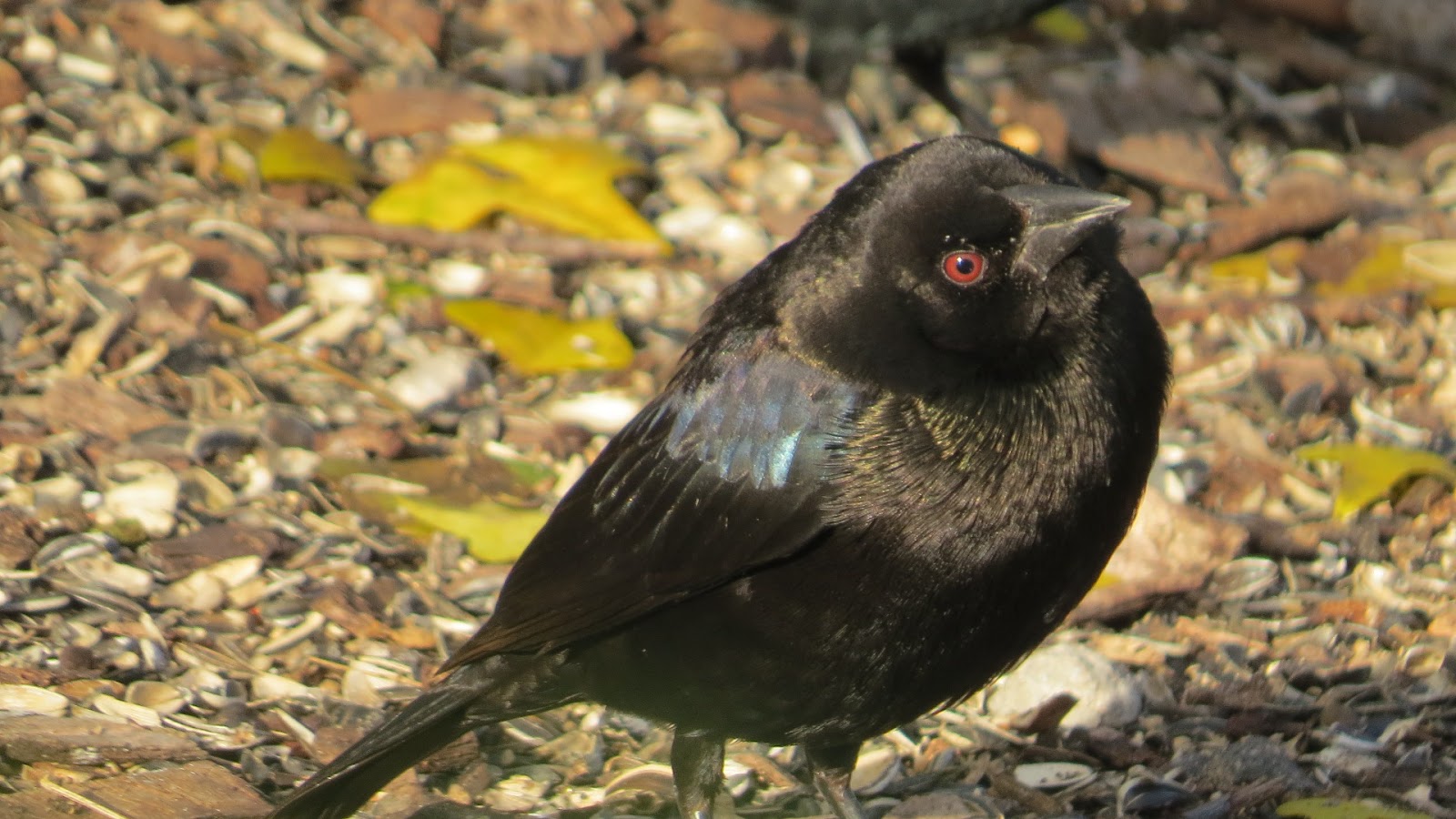
Bronzed Cowbird
The Celery Fields, a mult-purpose  Sarasota County managed property,  is a popular location for birders. The Sarasota Audubon Society is doing a great job in their support with their Purple Martin houses, bird feeders, butterfly garden, volunteer naturalists and more.

Bronzed Cowbird

Bronzed Cowbird is a rare bird here in Florida. It's a tropical species, which has been expanding its range, out of Mexico and into the U.S Southwestern stats and has arrived in Florida   Its numbers remain small compared the native Brown-headed Cowbird, buts seems a bit more numerous than another invasive cowbird species, the Shiny Cowbird


Male Brown-headed Cowbird
Arrived before dawn, I stacked out the barn owl spot on Center Road. No owls. Did hear killdeers and Gray Catbirds. Plus the occasional roar from the cats at the nearby Big Cat Sanctuary.
Male Brown-headed Cowbird

Bronzed Cowbird at the feeders
Moved onto the Raymond Road Boardwalk. It can be a good location for Bittern, Soras, Purple Gallinules, Marsh Wrens and other rails. Plus wading birds and water fowl.
But I had to be satisfied with just a calling Sora, Northern Harrier and Blue-winged Teal. A flock of Ring-necked Ducks did pass over headed.


Red-winged Blackbirds

Nanday Parakeet at the feeders
Over at the Nature Center on Palmer Road, there was a lot activity at the feeders and Purple Martin Houses

The Purple Martins are now returning from their winter vacations.  And the feeders are busy with a large number of Red-winged Blackbirds, European Starlings, Boat-tailed Grackles, Brown-headed Cowbirds and the more exotic Nanday Parakeets and Bronzed Cowbirds
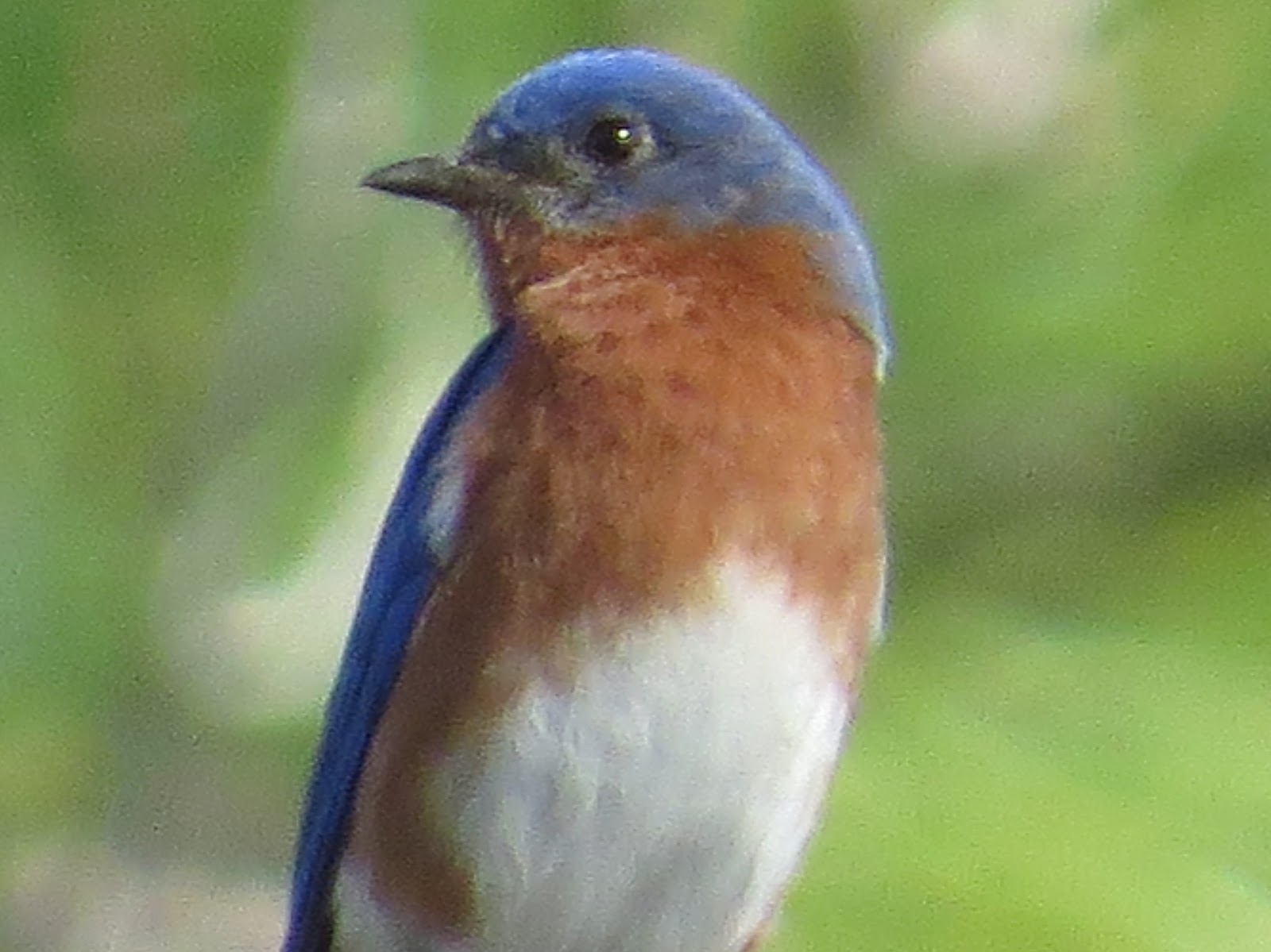
Eastern Bluebird seen visiting the Nature Center - Butterfly Garden


Purple Martins

Purple Martins
Next went looking for the Ash-throated Flycatcher and Greater Scaups on the property west of the Hill.  Didn't find the flycatcher today, but the pair of Greater Scaups were seen in the company of a few Lesser Scaups and Pied-billed Grebes on the central lake. Was interesting that no Black-bellied Whistling Ducks are being seen here lately. They can still be seen, nearby, on the property of the Critter Ridge Landscapers at the corner of Fruitville and Tatum Roads.


Northern Shoveler have been 
locally uncommon this winter

Lastly, I was to check-out the berm that edges the western boundary of the property. Lots of Blue-gray Gnatcatchers and Palm Warblers, Plus a few Blue-winged Teal, Common Gallinules, Anhingas, Roseate Spoonbills and a lone Northern Shoveler and Hooded Merganser
Was a good visit today.  Got fifty-seven species and some nice pics.  Dipped on some of the expected and rarer species.  But that just creates an excuse to come on back

Sunday, March 19, 2017

Babcock-Webb Wildlife Management Area

Sunday March 19th


White-tailed Deer
The Babcock-Webb property is basically mesic pine flatwoods which hosts three bird species of concern including the Red-cockaded Woodpeckers, Brown-headed Nuthatches and Bachman's Sparrow. Of these three birds the Bachman's can be the most difficult to spot due to its more secretive manners.  However, from March into May the males will post itself on a low limb and sing its heart out. This is why I had traveled to this spot today, to look for some Bachman's.

I arrived at dawn and was rewarded with a pair of Bachman's in song. Couldn't get a photograph as they still proved hard to locate. Also singing this morning were a number of Eastern Towhees, Pine Warblers, Northern Cardinals, Eastern Meadowlarks and Northern Bobwhites.


Eastern Bluebird


Green Heron

Pine Warbler

Thistle

This Limpkin has collected a fresh-water muscle

Pine Warbler
 Within the first hour I had been successfully in finding the Big Three, but was able to add, a Great Horned Owl, Yellow-rumped Warblers, Common Yellow-throat, Mockingbirds, House Wrens, Palm Warblers, Limpkins, Great Egrets, Eastern Bluebirds, Anhingas, Osprey, Pileated Woodpeckers, Downy Woodpeckers, Red-bellied Woodpeckers, Grey Catbirds, Eastern Phoebes, a Great Crested Flycatcher, Northern Flickers, Wilson's Snipe and Tree Swallows.

An Eastern Towhee

Pine Warbler

Pine Warbler

Red-winged Blackbird showing-off his chevrons


This section at, Babcock-Webb, had recently been subjected
to a cleansing prescribed-burn


Great Crested Flycatcher

A Gator laying in wait


Sunday, December 14, 2014

Florida Caverns State Park

Sunday, December 7th
Day One - North Florida Trip

Winter Wren at Florida Caverns State  Park
Photo provided courtesy of Bob Pelkey


I have been anticipating making this trip to Florida's Panhandle for some time. Have been looking forward to birding here for several wintering birds that normally only migrate to this corner of the state. They include horned lark, golden-crowned kinglet, brown creeper and winter wren.  To find these you need to visit Jackson County, primarily Florida Caverns State Park in the winter season.
Vesper Sparrow on Concord Road


Therefore, after a long overnight drive with Bob Pelkey at the wheel we arrived at Florida Caverns a bit early as the gates were still closed.  So being early be elected to visit a sight on Concord Road, east of Malone, to shirt-tail reports of horned lark and purple finches.  Both of these birds rarely venture any further south than this point. We scoped the barren peanut and cotton fields along Concord. No larks or finches at the time, but had several Killdeer, Savannah Sparrows, a Vesper Sparrow a Kestrel and American Crows


So onto Florida Caverns State Park. The site is  fascinating and very unique to Florida. Though the Karst topography that creates the cave system is found throughout half of Florida, its climate/ecology is the most southern point for the temperate forests of the Appalachian chain. Besides the avian species that are a part of this ecology we find rare to Florida  flora like some personal favorites as Bloodroot, Mayapple, Trillium


The park rangers gave us directions to the best place to find our targets. An area known as the Sink, by the canoe put-in parking area on the Chipola River. Here we did have success.  Got our lifer sightings of Winter Wren, plus several Ruby-crowned Kinglets, a sole Golden-crowned Kinglets, White-eyed Vireo, Blue-headed Vireo, Carolina Chickadee, Downy Woodpeckers, Tufted Titmice and a couple of Hermit Thrushes.  The brown creeper was a no-show.


We moved onto the horse carrel location were we had a lot of Yellow-rumped Warblers, but also a couple of Pine Siskins, a Chipping Sparrow, a Cedar Wax-wing, American Robins and lots of Eastern Bluebirds.

Easter bluebird


We missed visiting the caverns, but would like to return on another occasion to see them.  A summer visit couple be enjoyable in locating breeding Mississippi Kites and Broad-winged Hawks

But noe was time to head about an hour south to Torreya State Park, along the bluffs above the Apalachicola River in Liberty County. This would be our base of operations for a few days as we're staying at the campgrounds.  Ever heard of a Yurt?  Nice way to camp.


Torreya Tree Decline


Torreya Guardians

Yurt Camping

Inside

Fire pit

Thursday, September 18, 2014

Illinois Trip - Day Four

Sunday August 31st

Volo Bog State Natural Area


Near Volo in lake County is the Volo Bog State Natural Area. Famous for its Quacking Bog, which is surrounded by several varying eco-systems. It is a very unique place to visit, hike or go birding.
A young Swamp Sparrow

Mink, beavers and muskrats inhabit the preserve. Today I observed a couple of White-tailed Deer, Gray Squirrels, cottontail Rabbit and a fat Woodchuck. As for birds it started in the parking the lot with a Chipping and a Swamp Sparrow, more Goldfinches, Eastern Kingbird, Mourning Doves, Barn Swallows and an Indigo Buntings.  As I entered the Tamarack Trail (2.25 M), numerous Gray Catbirds could be heard as well as American Robins. Soon I added House Wren, Tennessee Warbler, American Crow, Black-capped Chickadee, Eastern Phoebe, Red-headed Woodpecker, Red-bellied Woodpecker, Downy Woodpecker, a Flicker, a Warbling Vireo, American Redstart, a pair of Wood Thrushes and a pair of Least Flycatchers.
A young Eastern Bluebird

In the grassland, aside from the Goldfinches I could only really add a pair of Eastern Bluebirds.

The wetlands had very few Red-winged Blackbirds and I only found a lone Mallard and a lone female Wood Duck. A few Great Blue Herons and Great Egrets and a lone Pied-billed Grebe were present. No swans again and all of the Canada Geese were flying overhead. Only heard a Sandhill Crane today. But my best bird of the day was a lifer in an Olive-sided Flycatcher sitting on a tall snag over hanging the a wetlands location.
Olive-sided Flycatcher

Cottontail rabbit

Tuesday, June 15, 2010

Least Bittern

Least Bittern
Babcock-Webb WMA - Charlotte County
June 15th

I try to get to Babcock-Webb about every month and today seemed to be a good day for a visit. To increase the likelihood of locating a Red-Cockaded woodpecker, I try to be on site at the colony on Oilwell Road as they exit their nest holes at dawn. But today I found that I was a bit late, arriving at 6:35am, as I came across a single Red-Cockaded  Woodpecker actively feeding along the roadside before arriving at the colony site. So my timing was a bit late but it all worked out as I had the subject bird within five minutes upon arrival, but I also had Common Nighthawks, Northern Bobwhites, Wood Storks, Great Egrets, Eastern Meadowlarks, Brown Thrashers, Eastern Towhee, Doves and Mockingbirds before even finding the woodpecker. A pretty good start.

The next three hours I spent looking for bachman's sparrow, which I failed to locate today, but I did locate several Brown-Headed Nuthatches, including a noisy juvenile, a roosting Great Horned Owl being harassed by a Northern Mockingbird, twice came across Yellow-Shafted Northern Flickers and a trio of Least Terns that were flitting about the boat ramp at Webb Lake.

The best sighting was my third ever look at a Least Bittern. As I was stopped on a section of road I had not traveled before, the least bittern fly right in front of me. Cool!  The most unusual sighting occurred as I was trying to photograph the least terns at the boat ramp. I heard a commotion at the open passenger-side window were a pair of cardinals had landed.  They seemed agitated and were easily encouraged to move along. Very strange.

Also encounterd a lone deer, three rabbits, plus a Florida Garter Snake and a Black Racer.

Eastern Bluebird

My List (36) - Northern Bobwhite, Least Bittern, Great Blue Heron, Great Egret, Snowy Egret, Little Blue Heron, Tricolored Heron, Green Heron, White Ibis, Wood Stork, Turkey Vulture, Swallow-tailed Kite, Killdeer, Least Tern, Eurasian Collared-Dove, Mourning Dove, Common Ground-Dove, Great Horned Owl, Common Nighthawk, Red-bellied Woodpecker, Downy Woodpecker, Red-cockaded Woodpecker, Northern Flicker, Great Crested Flycatcher, Loggerhead Shrike, Brown-headed Nuthatch, Eastern Bluebird, Northern Mockingbird, Brown Thrasher, Pine Warbler, Common Yellowthroat, Eastern Towhee, Northern Cardinal, Red-winged Blackbird, Eastern Meadowlark, Boat-tailed Grackle


Least Tern at Webb Lake

Thursday, December 31, 2009

Estero Bay Preserve State Park in Southwest Florida

Estero River

Tuesday, December 29th, visited Estero Bay Preserve off Broadway in Estero. This tract, known as Estero Scrub River access was added in 2000 to the preserve, when the state purchased this land to forestall a developers plan to convert it into housing. This land is a much needed buffer to try and protect the water quality of Estero Bay. The trails here generally traverse upland pine, scrub oak, salt marsh, salt flats and mangroves. It is also a mitigation area for the relocation of gopher tortoises needing a new home, because of land development. The exotics are also being removed and the transformed back to natural, native Florida. Recently control burns have been used as well, as part of the land management.
Frankly, as side of the many gopher tortoises, bird life is not very abundant. There are usually kettles of vultures with hawks and eagles at times, and in the summer we have Swallow-tailed Kites. There are also many snags so that pileated, downy and red-bellied woodpeckers are present. Watch also for pineland species like doves, eastern towhees, house wrens, blue jays eastern bluebirds and bobwhites. The scrub is also home to the rare and endangered Florida Scrub Jay. The target specialties here are the Florida Scrub Jay, Northern Bobwhites Swallow-tailed Kites and a local Bald eagles’ nest.
Today I spent two hours hiking in the afternoon and found it very quit. But I was after the scrub jay, bobwhites, the eagles’ nest and I also needed to locate an Eastern Towhee. Found some of the trail to be very wet and muddy, but there were no mosquitoes. By February conditions should be even better as the trails dry out.
On my first hike her on February 14, 2008 I was lucky to locate two Scrub Jays and I have never found one since. No bobwhites today either. As for the eagles’ nest, I found the nest tree destroyed by fire. Hopefully they will rebuild nearby. Did find the towhee and had my best bird when a merlin flew and land in a nearby tree. My trip list includes -

Bald Eagles nest tree
The Orange Trail
Salt Flats


Gopher Tortoise