Showing posts with label Wilson's Plover. Show all posts

Sunday, September 8, 2024

Bunche Beach

 Sunday September 6th


Bunche Beach bird list

A typical visit to Bunche Beach at a low tide.  The best time to bird here is at low tide. Especial early in the morning on a hot day.

Fish Crows

Black-bellied Plover

Reddish Egret

Reddish Egret

Semipalmated Plover

Piping Plover

Short-billed Dowitcher

Sanderling

Marbled Godwit

Ruddy Turnstone

Wilsons Plover

Willet


Monday, September 18, 2023

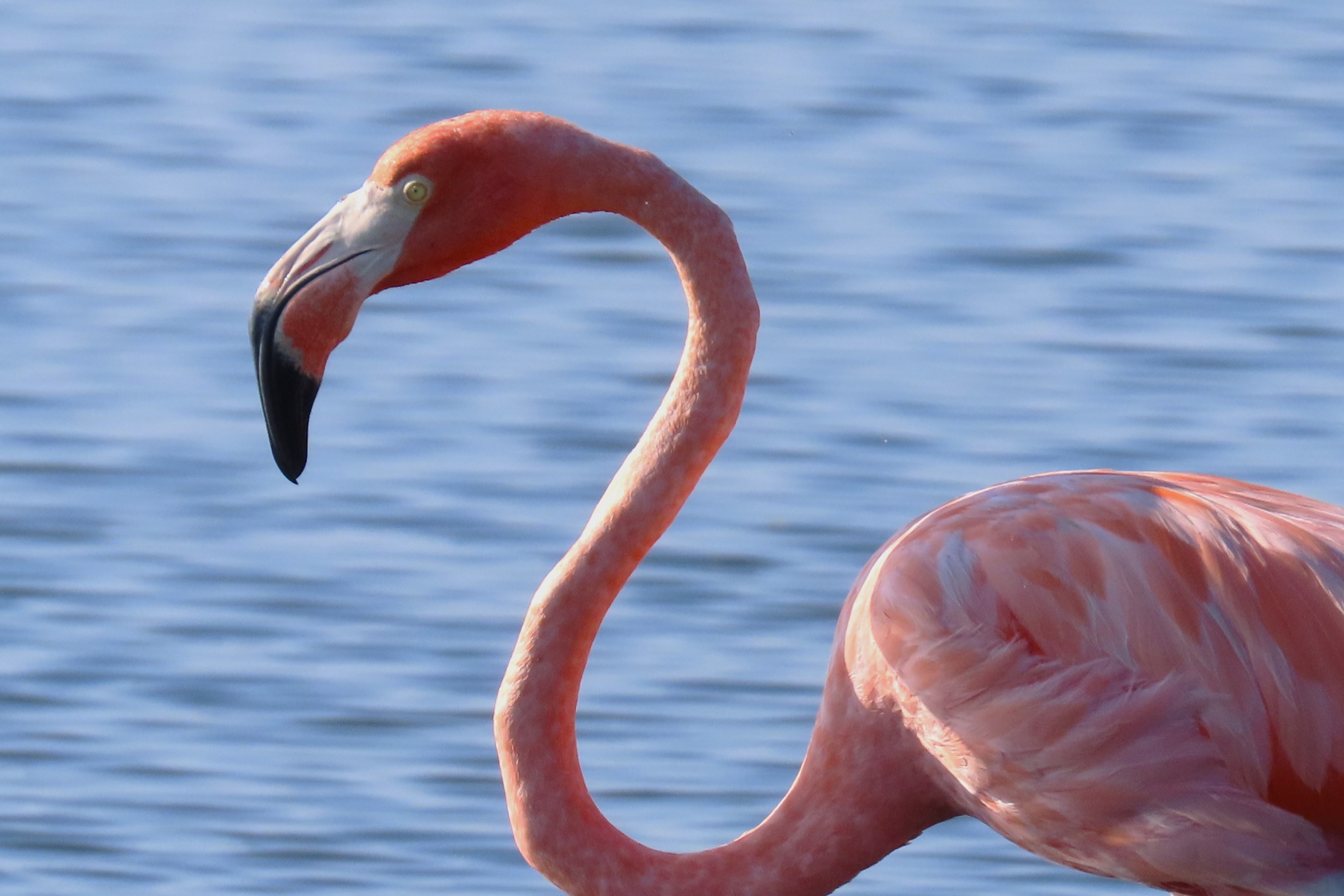
Flamingo

 Sunday September 17th


Hurricane Idalia had a significant impact on the northern Florida. One very interesting affect was the dispersal of American Flamingos across Florida and other southeastern states. Having spotted as far north as Ohio. Locally we had a large gathering of birds at Estero Bay Preserve State Park, but to reach their location required a rather difficult hike through flooded salt flats and biting insects. So for me, I elected to visit Fort DeSoto Park in Pinellas County to see another flamingo, nicknamed Peaches. 


Lots of shorebirds at DeSoto today

Wilson's Plover

Piping Plover

Red Knot

American Oystercatcher

Pectoral Sandpiper

Sanderling

Reddish Heron

Semipalmated Plover

Lesser Black-backed Gull


Wednesday, March 22, 2023

Red Tide

 Sunday, March 5th

American Oystercatcher


Yesterday we noticed reports on a large gathering of Herring Gulls at Carlos Point on Fort Myers Beach. Hundreds were seen with large numbers of American Oystercatchers, Laughing and Ring-billed Gulls as well. we don't normally see so many Herring Gulls in Lee County. 


A Lesser Black-backed Gull, plus Laughing Gulls, Royal Tern and an Oystercatcher


eBird Checklist - 5 Mar 2023 - Carlos Pointe - 22 species

So today I drove down to Fort Myers Beach, which is still in a major recovery mode, to explore Carlos Pointe. Besides the numbers of gulls present, were so many dead fish. Victims of Red Tide. This current blow-up of red tide is not doubt to nutrient load caused by the effects of Hurricane Ian. It appears that the toxic load is so bad that even the marine worms are trying to escape.


Hundreds of these worms are seen wriggling on the surface of the sand.
 They've got the birds attention.


Wilson's Plover

Snowy Plovers

Herring Gulls


Lots of interesting species among the dead fish including a goliath grouper, other groupers and snappers, drums, snook, sea mullets, red fish, ladyfish, marine catfish, eels, worm fish, sheepshead, spadefish, cowfish, hog chokers, grunts, a blackchin tilapia, sardines and thread herrings and more


Hogchoker


Atlantic Thread Herring

White Grunt

Spotted Spoon-nosed Eel

Stripped Burrfish

Scaled Sardine

Blackchin Tilapia

Wednesday, February 24, 2021

Down on the Beach

 Wednesday, February 24th

Just a few birds recently seen down by the beach

Reddish Egret at Ding Darling NWR, Sanibel Island


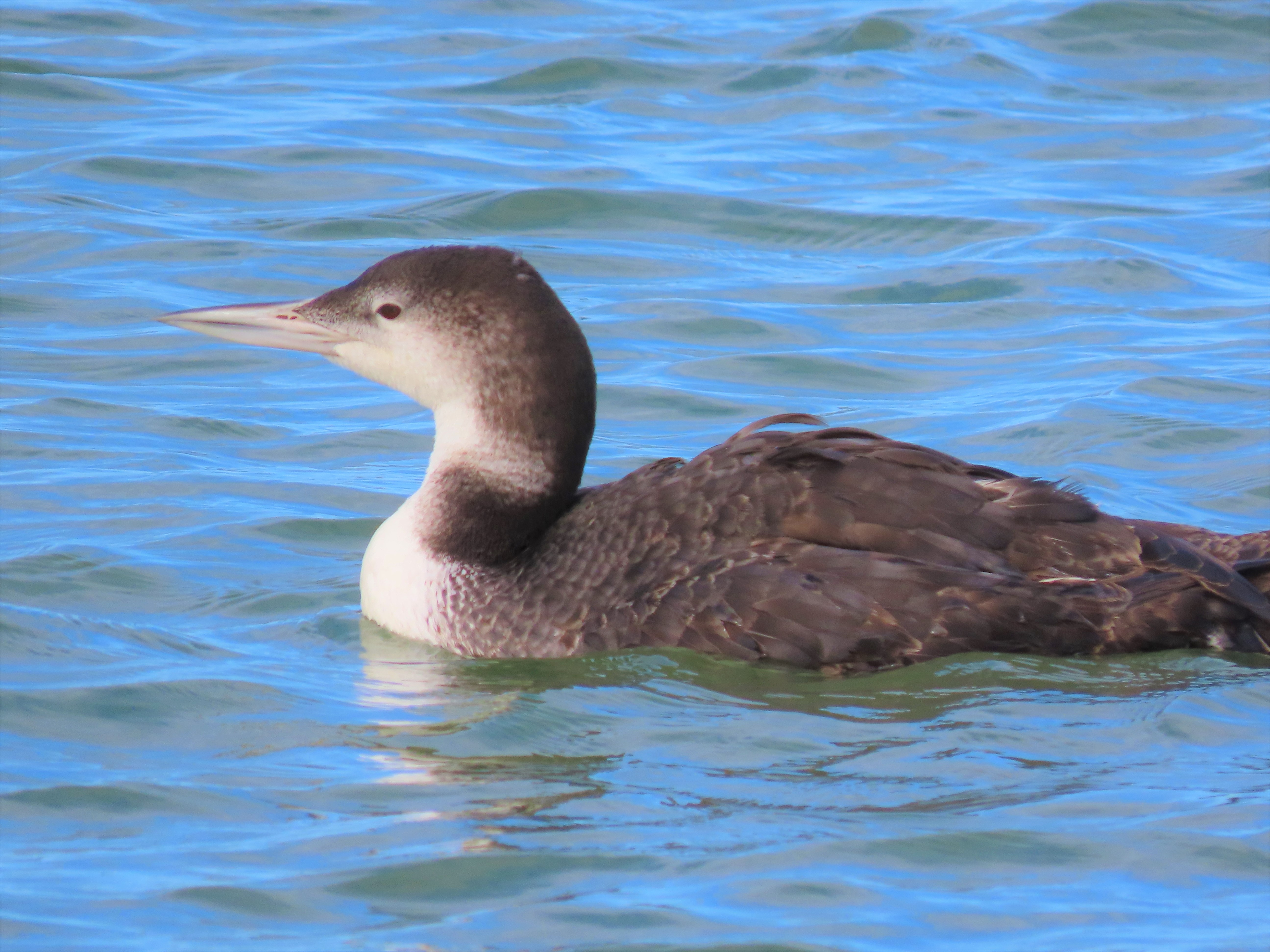
Common Loan at Lovers Key State Park


Snowy Plover at Fort Myers Beach


Wilson's Plover on East Beach at Fort Desoto Park

Least Sandpiper on East Beach at Fort Desoto Park

Whimbrel at Fort Desoto Park

Laughing Gulls at Fort Desoto

Redheads ducks on East Beach at Fort Desoto Park


Thursday, June 13, 2019

Came Back to the Beach

June 7th

Ghost Crab a Carlos Point
This distressed Black Skimmer had been entangled
in string. After being freed it recovered and flew off
Headed back Carlos Point on Fort Myers Beach to see how the nesting seabirds colony was progressing. On my last visit, three weeks ago, hundreds of Black Skimmers and Least Terns had assembled. Numbers of Sandwich Terns, Royal Terns, a few juvie Common Terns  and Whimbrels were also seen. One skimmer had managed to get entangled it the string used to established the demarcation line used to keep humans from tramping through the nest sites. Did manage to free the bird.

Least Tern
Least Tern Chick

Least Tern Chick
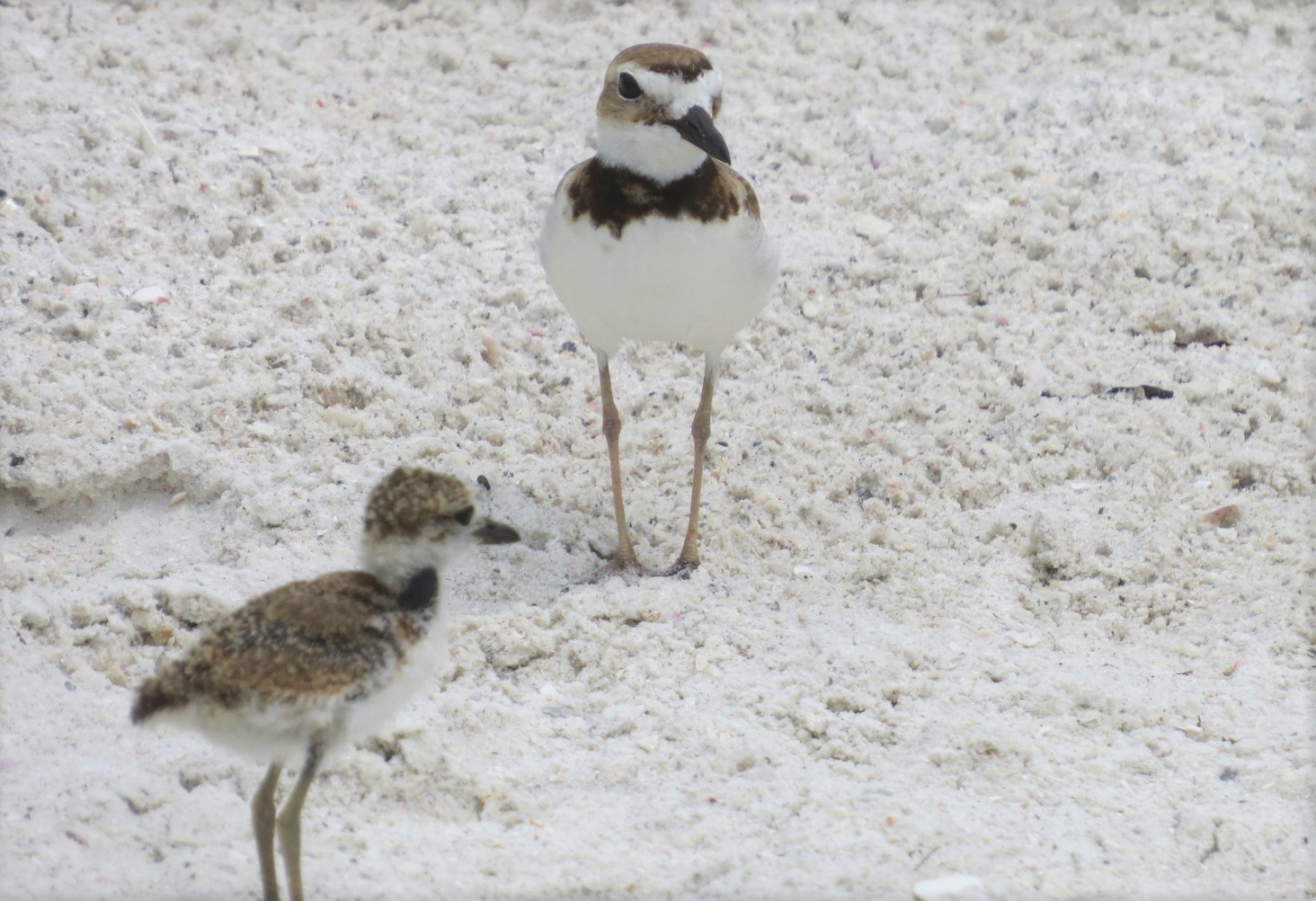
Today, the Least Terns have scores of chicks wondering the beach, with the parents defending there broods well beyond the established nest sites. But no baby Black Skimmers yet. Wilson's and Snowy Plovers nest on these beaches too, and several Wilson's chicks were on hand under the watchful eye of their parents. Didn't notice any snowy chicks today.

Black-bellied Plover

Common Tern

A Wilson's Plover chick
Concentrations of Royal, Sandwich and Common Terns and few Laughing Gulls were also seen today. These gulls and Fish Crows, as well as, any beach walkers, were mobbed ceaselessly by the Least Tern parents. Both will prey on chicks. Last year, I had witnessed a gull killing and eating a baby skimmer. Other dangers to these colonies include night-herons, raccoons, dogs, cats, indifferent humans and adverse weather.

Being June, not many shore birds were around as most have left to migrate to there breeding grounds in Canada.  There were a few Ruddy Turnstones, Sanderlings, Semipalmated Plovers and Black-bellied Plovers. Added Magnificent Frigatebirds, Reddish Egrets and a pair of Caspian Terns.

Black-bellied Plover

Common Terns

Reddish Egret

Wilson's Plovers

Wilson's Plover

Wilson's Plover Chick

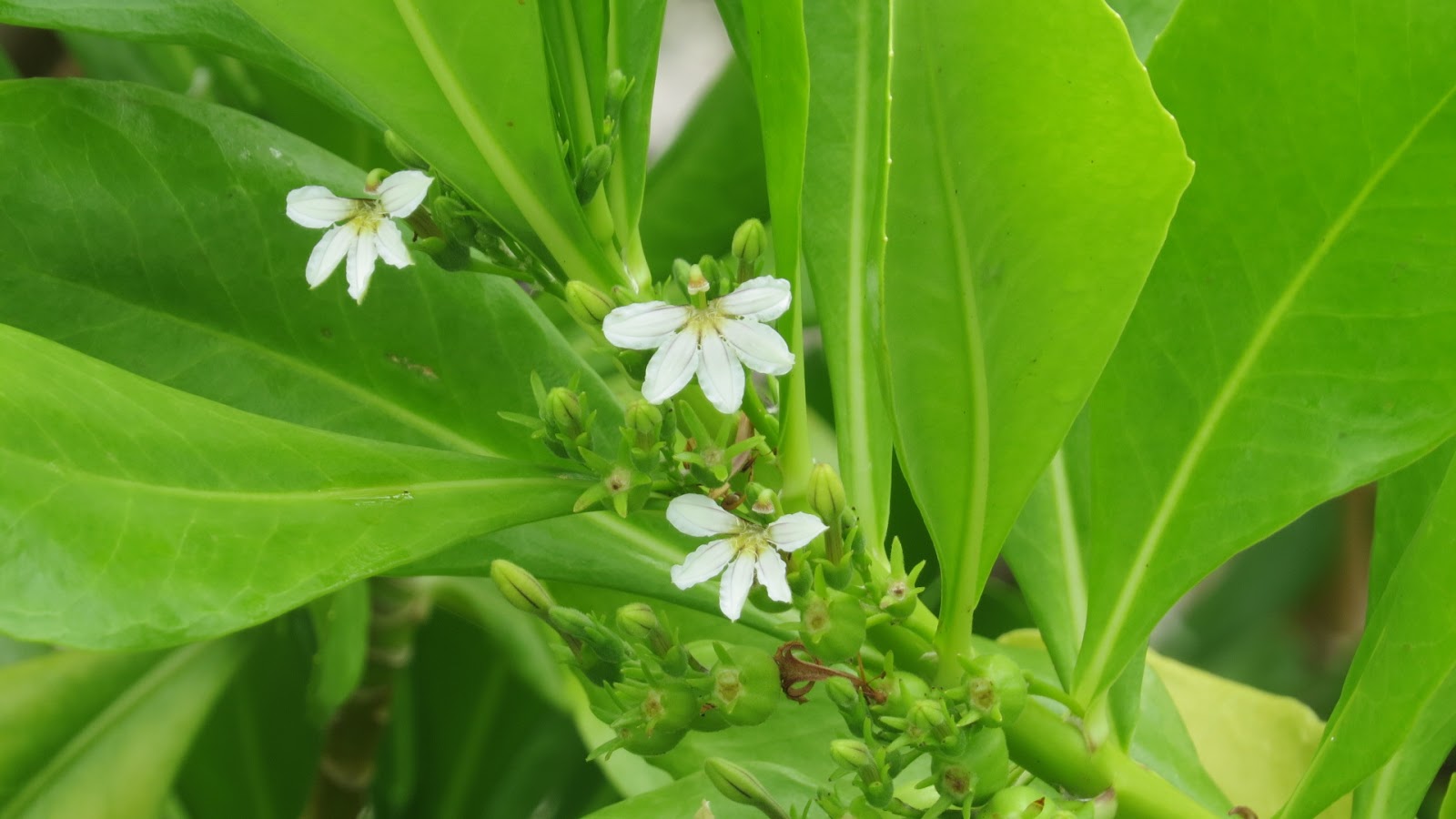
Inkberry in bloom at the beach


Inkberry in bloom at the beach