Showing posts with label Ghost Crab. Show all posts

Thursday, June 13, 2019

Came Back to the Beach

June 7th

Ghost Crab a Carlos Point
This distressed Black Skimmer had been entangled
in string. After being freed it recovered and flew off
Headed back Carlos Point on Fort Myers Beach to see how the nesting seabirds colony was progressing. On my last visit, three weeks ago, hundreds of Black Skimmers and Least Terns had assembled. Numbers of Sandwich Terns, Royal Terns, a few juvie Common Terns  and Whimbrels were also seen. One skimmer had managed to get entangled it the string used to established the demarcation line used to keep humans from tramping through the nest sites. Did manage to free the bird.

Least Tern
Least Tern Chick

Least Tern Chick
Today, the Least Terns have scores of chicks wondering the beach, with the parents defending there broods well beyond the established nest sites. But no baby Black Skimmers yet. Wilson's and Snowy Plovers nest on these beaches too, and several Wilson's chicks were on hand under the watchful eye of their parents. Didn't notice any snowy chicks today.

Black-bellied Plover

Common Tern

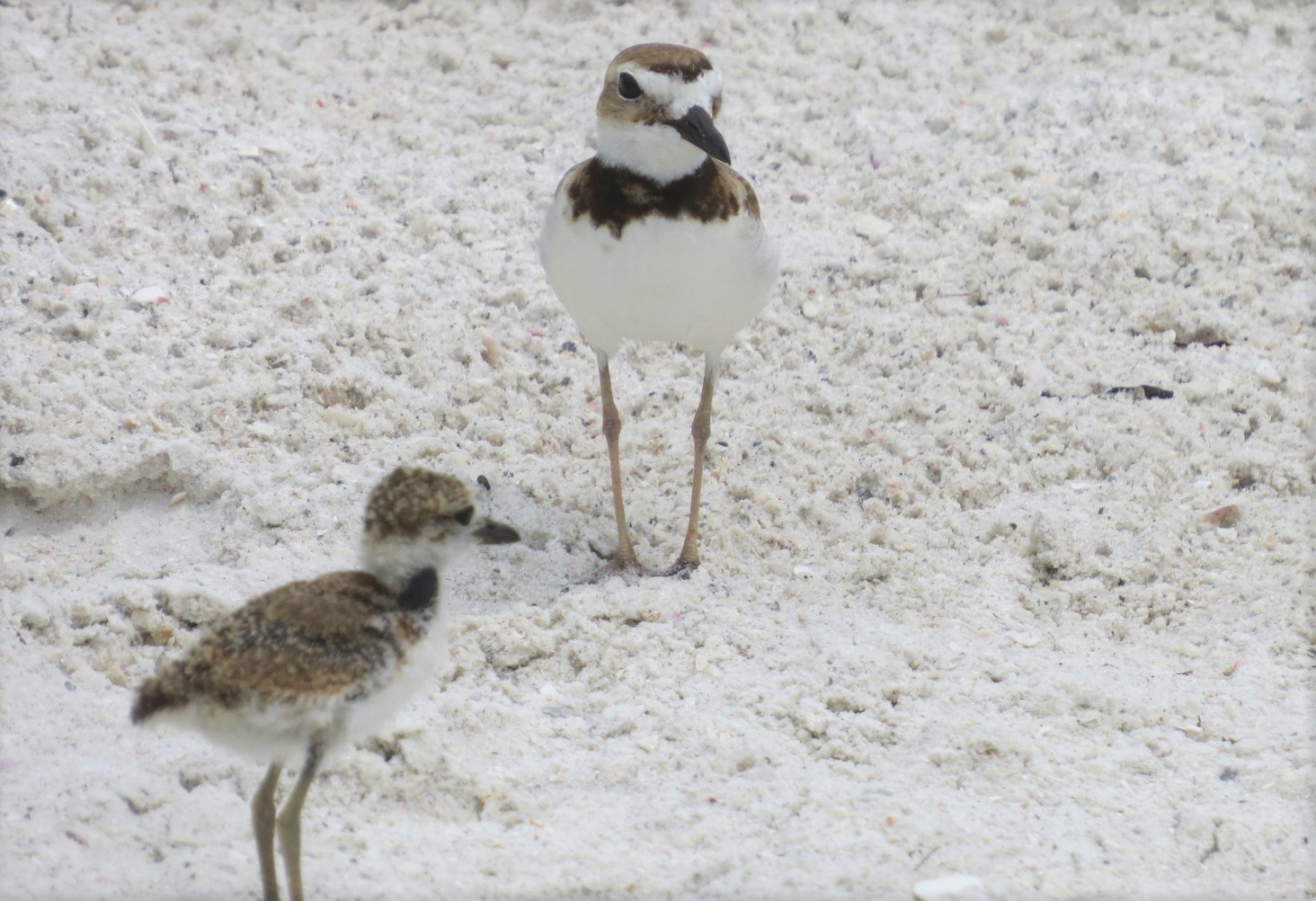
A Wilson's Plover chick
Concentrations of Royal, Sandwich and Common Terns and few Laughing Gulls were also seen today. These gulls and Fish Crows, as well as, any beach walkers, were mobbed ceaselessly by the Least Tern parents. Both will prey on chicks. Last year, I had witnessed a gull killing and eating a baby skimmer. Other dangers to these colonies include night-herons, raccoons, dogs, cats, indifferent humans and adverse weather.

Being June, not many shore birds were around as most have left to migrate to there breeding grounds in Canada.  There were a few Ruddy Turnstones, Sanderlings, Semipalmated Plovers and Black-bellied Plovers. Added Magnificent Frigatebirds, Reddish Egrets and a pair of Caspian Terns.

Black-bellied Plover

Common Terns

Reddish Egret

Wilson's Plovers

Wilson's Plover

Wilson's Plover Chick

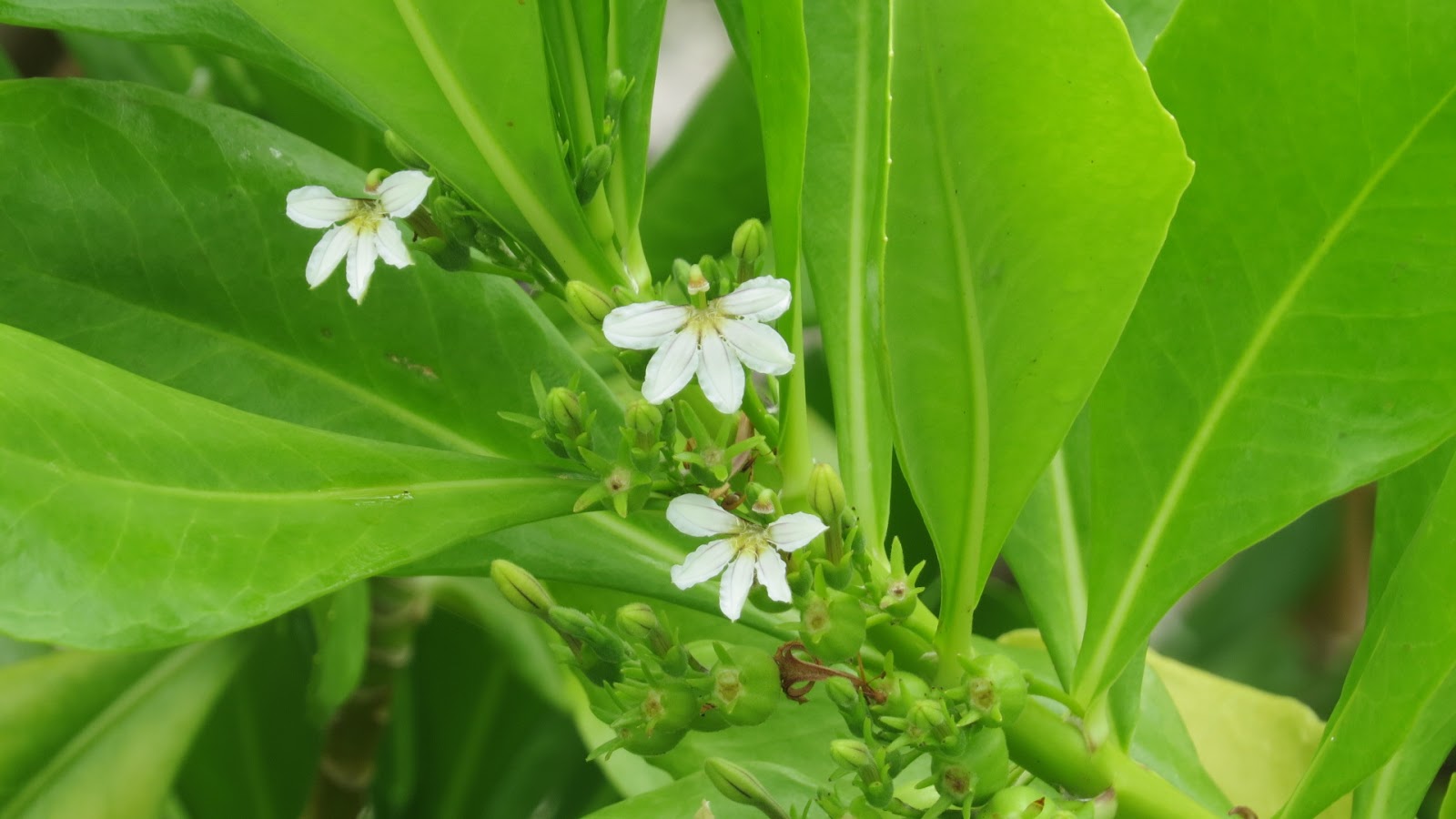
Inkberry in bloom at the beach


Inkberry in bloom at the beach

Sunday, May 12, 2019

They're Back

Tuesday May 7th


Carlos Point is oriented at the southern end of Estero Island and has been active nesting site for the pelagic Least Terns, Black Skimmers, Wilsons Plovers, Snowy Plovers and the occasional American Oystercatchers. But now the Skimmers and Terns are back to nest perhaps on the same sandy beach were they were born. This is an important nesting location for all these birds and needs every protection possible here for their species to succeed. So much is against them.  From unexpectedly harsh weather to predation and harassment from people, dogs, cats, raccoons, ghost crabs, gulls and night-herons. Many of these predators have made an easy meal on these baby birds and eggs. A few years ago someone managed to drive a truck onto the sand and destroyed several nests, eggs, and sitting mothers birds. I don't believe there was any justice for this event. 


Black Skimmers have returned


Ghost Crab
A young Least Tern
The skimmers and other seabirds had become somewhat scarce  in this area ever since the Red Tide event of last year. So I was so nice to find that they have retuned. 
Last years Red Tide had destroyed thousands maybe millions of fish, plus hundreds of sea turtles, manatees, dolphins and seabirds. 
The loggerhead turtle nesting season is also at hand and evidence of nesting can be seen on our beaches already.  Chatted with a Turtle Time volunteer on the hopes of a successful nesting seasons, but their are concerns that with loss of so many turtles that future nesting seasons maybe less active. So much effort has been made to help these species to be sustainable, but it all can be lost so easily.
Red Knot in breeding plumage

Snowy Plover

Marsh Rabbit

Sanderling in breeding plumage awaiting flight
 to their nesting grounds in the High Arctic

Turtle Crawl -
 tracks in the sand were the female loggerhead crawls 
up the beach to lay her eggs. 


Least Terns have returned to there Carlos Point nesting grounds


Tuesday, August 3, 2010

Snowy Plovers - Ft Myers Beach

Tuesday August 3rd

Checked out Little Estero Lagoon this mourning on Ft Myers Beach. Little Estero Lagoon is a treasure in Lee County for the birding to found there. Today was a good example. To try to avoid the August heat I got there early, but I got cooking by 9 am.  I don't understand why people enjoy getting broiled on the beach.

Snowy Plover

Snowy Plover

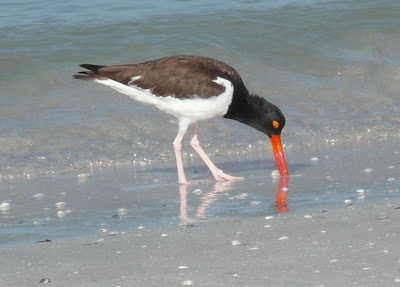
American Oystercatcher

American Oystercatcher

Ghost Crab

Great Egret

Ruddy Turnstone

Sanderling

A roped-off sea turtle's nest. Plastic sheeting used to corral the hatchings to the water and to hide any artificial light from them so that they don't get lost because of a 'false horizon'.
The birding was very good with the several Snowy Plovers being located. Had good numbers Semipalmated and Wilson's Plovers, Ruddy Turnstones, Sanderlings and Western Sandpipers on hand. Found only a couple of Least Sandpipers, a couple of Short-billed Dowitchers a couple dozen Willets and six Marbled Godwits. Counted six Ospreys and five Magnificent Frigatebirds. Brown Pelicans, Double-creasted Cormorants, Least Terns, Royal Terns, and Sandwich Terns were very active. A dozen Roseate Spoonbills were present along with a dozen Great Egrets and many of the other common waders.

My List - (39) Mottled Duck, Brown Pelican, Double-crested Cormorant, Anhinga, Magnificent Frigatebird, Great Blue Heron, Great Egret, Snowy Egret, Little Blue Heron, Green Heron, Yellow-crowned Night-Heron, White Ibis, Roseate Spoonbill, Osprey, Black-bellied Plover, Snowy Plover, Wilson's Plover, Semipalmated Plover, Spotted Sandpiper, Willet, Marbled Godwit, Ruddy Turnstone, Western Sandpiper, Least Sandpiper, Short-billed Dowitcher, Laughing Gull, Least Tern, Royal Tern, Sandwich Tern, Eurasian Collared-Dove, Mourning Dove, Common Ground-Dove, Gray Kingbird, Loggerhead Shrike, Fish Crow, Barn Swallow, European Starling, Northern Cardinal, House Sparrow

Some Notes on the Migration
In the past week I have been lucky to find a few of the early migrants here in in Florida. We've seen that the shorebirds have already been arriving for a few weeks now. But now we see that the the small birds are arriving and I have already seen several Yellow-Throated Warblers, A Black-and White Warbler, an American Redstart, a Red-Eyed Vireo and a female Orchard Oriole. I'm looking forward to expanding my list as the migration heats-up.