Tuesday, December 30, 2014

2014

Snowy Owls were irruptive last winter. Many Florida birders headed up to Jacksonville to see this young owl.  I failed to make a trip, therefore I missed adding it as a year bird for 2014.
 Photo provided by Bob Pelkey.
Other Species I failed to add this year included ---
Upland Sandpiper, Western Tanager, Bobolinks, Yellow-headed Blackbird, Yellow-breasted Chat, Cassin’s Kingbird, White-faced Ibis, Snow Bunting, Bahama Mockingbird, Snowy Owl, Vermilion Flycatcher, Wilson's Phalarope, Smooth-billed Ani,
Babcock-Webb WMA

 For 2014 I had set a goal of finding 300+ birds in the State of Florida. This is my third or fourth time setting this goal, but this year I  finally my mark with 302 species. To do this I to bird, often in the company and help of my birding friends - Bob Pelkey, Vince McGrath, Dr Jose Padilla, Stan Ogle, Walt Winton among many fine people, from the Florida panhandle to as far south as you can go, to the Dry Tortugas, plus heading out into the Atlantic Ocean.

My total for all birding for the year was actually 311 because of a couple of short visits to Illinois for family visits. In Illinois , I was able to add lifers with sightings of a olive-sided flycatcher and a yellow-bellied flycatcher. 

Other Lifers included Masked Booby, Brown Noddy in the Dry Tortugas, Winter Wren at Florida Caverns, Blue-headed Parakeet at Siesta Key, a Bar-tailed Godwit in Tarpon Springs, Sooty Tern on the Atlantic Ocean and a Black-billed Cuckoo at ix-mile Cypress Preserve. Also a LaSagre Flycatcher in Coral gables and a Rusty Blackbird in Gainesville.

Not a very long list of Lifers, but I can't get out beyond the state too often like  my friends Dr Padilla and David & Tammy McQuade who have racked up an impressive list this year. For 2015, I am going to be a bit more passive on my Florida counts, but hope to cross the border more often to reach fresh grounds.  Thinking of North Carolina and Roan Mountain, Tennessee. We'll see.


Year List - 2014


2014 Year List (311)

 
1   Black-bellied Whistling-Duck,
 
2   Fulvous Whistling-Duck
 
3   Snow Goose
 

4   Canada Goose
 

5   Egyptian Goose
 
6   Muscovy Duck
 

7   Wood Duck
 
8   Gadwall
 
9   Eurasian Wigeon
 

10  American Wigeon,
 

11  Mallard
 
12  Mottled Duck


13  Blue-winged Teal
 

14  Cinnamon Teal
 
15  Northern Shoveler
 

16  Northern Pintail
 
17  Green-winged Teal
 
18  Canvasback
 

19  Redhead
 

20  Ring-necked Duck
 

21  Greater Scaup
 
22  Lesser Scaup


23  Common Eider
 
24  Black Scoter
 
25  Bufflehead
 
26  Common Goldeneye
 
27  Hooded Merganser
 
28  Red-breasted Merganser
 
29  Ruddy Duck
 

30  Northern Bobwhite
 
31  Wild Turkey
 

32  Common Loon
 
33  Pied-billed Grebe
 
34  Horned Grebe
 
35  Black-capped Petrel
 
36  Cory's Shearwater
 
37  Sooty Shearwater
 
38  Wilson's Storm-Petrel
 
39  Wood Stork
 
40  Magnificent Frigatebird
 
41  Masked Booby
 
42  Brown Booby
 
43  Northern Gannet
 
44  Double-crested Cormorant
 
45  Great Cormorant
 
46  Anhinga
 

47  American White Pelican
 

48  Brown Pelican
 
49  American Bittern
 
50  Least Bittern
 
51  Great Blue Heron
 
52  Great Egret
 

53  Snowy Egret
 
54  Little Blue Heron
 
55  Tricolored Heron
 
56  Reddish Egret
 

57  Cattle Egret
 
58  Green Heron,
 

59  Black-crowned Night-Heron
 
60  Yellow-crowned Night-Heron
 
61  White Ibis
 
62  Glossy Ibis
 
63  Roseate Spoonbill
 

64  Black Vulture
 
65  Turkey Vulture
 

66  Osprey
 
67  White-tailed Kite
 
68  Swallow-tailed Kite
 
69  Snail Kite
 
70  Mississippi Kite,
 
71  Northern Harrier
 
72  Sharp-shinned Hawk
 
73  Cooper's Hawk,
 

74  Bald Eagle,
 
75  Red-shouldered Hawk
 

76  Broad-winged Hawk
 
77  Short-tailed Hawk
 
78  Red-tailed Hawk
 
79  King Rail
 
80  Clapper Rail
 
81  Virginia Rail
 
82  Sora
 
83  Purple Swamphen
 

84  Purple Gallinule,
 

85  Common Gallinule
 
86  American Coot
 
87  Limpkin

88  Sandhill Crane
 

89  Black-necked Stilt
 

90  American Avocet
 

91  American Oystercatcher
 

92  Black-bellied Plover
 

93  Snowy Plover
 
94  Wilson's Plover
 

95  Semipalmated Plover
 
96  Piping Plover
 

97  Killdeer
 
98  Spotted Sandpiper
 

99  Solitary Sandpiper
 
100 Greater Yellowlegs
 

101 Willet
 
102 Lesser Yellowlegs
 
103 Whimbrel
 

104 Long-billed Curlew
 

105 Bar-tailed Godwit
 

106 Marbled Godwit
 

107 Ruddy Turnstone
 

108 Red Knot
 

109 Stilt Sandpiper
 
110 Sanderling
 

111 Dunlin
 

112 Purple Sandpiper
 
113 Least Sandpiper
 

114 Pectoral Sandpiper
 
115 Semipalmated Sandpiper
 

116 Western Sandpiper
 
117 Short-billed Dowitcher
 
118 Long-billed Dowitcher
 
119 Wilson's Snipe
 
120 Red-necked Phalarope
 

121 Pomarine Jaeger
 
122 Bonaparte's Gull
 
123 Laughing Gull
 
124 Franklin's Gull
 

125 Ring-billed Gull
 
126 Herring Gull
 
127 Lesser Black-backed Gull
 
128 Great Black-backed Gull
 
129 Brown Noddy
 

130 Sooty Tern
 
131 Bridled Tern
 
132 Least Tern
 
133 Gull-billed Tern
 
134 Caspian Tern
 
135 Black Tern
 
136 Roseate Tern
 

137 Common Tern
 
138 Arctic Tern
 
139 Forster's Tern
 

140 Royal Tern
 
141 Sandwich Tern
 

142 Black Skimmer
 

143 Rock Pigeon
 
144 White-crowned Pigeon
 

145 Eurasian Collared-Dove
 
146 Common Ground-Dove,
 
147 White-winged Dove
 
148 Mourning Dove
 
149 Yellow-billed Cuckoo
 
150 Mangrove Cuckoo
 
151 Black-billed Cuckoo
 
152 Groove-billed Ani
 
153 Barn Owl
 
154 Eastern Screech-Owl,
 
155 Great Horned Owl
 
156 Burrowing Owl
 

157 Barred Owl
 

158 Common Nighthawk
 
159 Antillean Nighthawk
 
160 Chuck-will's-widow
 
161 Eastern Whip-poor-will
 
162 Chimney Swift
 
163 Ruby-throated Hummingbird
 

164 Belted Kingfisher
 
165 Red-headed Woodpecker
 

166 Red-bellied Woodpecker
 
167 Yellow-bellied Sapsucker
 
168 Downy Woodpecker
 
169 Hairy Woodpecker
 
170 Red-cockaded Woodpecker


171 Northern Flicker
 
172 Pileated Woodpecker
 
173 Crested Caracara
 

174 American Kestrel
 
175 Merlin
 

176 Peregrine Falcon
 
177 Rose-ringed Parakeet
 
178 Monk Parakeet
 
179 Yellow-chevroned Parakeet
 
180 Nanday Parakeet
 
181 Blue-crowned Parakeet
 

182 Mitred Parakeet
 
183 Red-masked Parakeet
 
184 Olive-sided Flycatcher
 
185 Eastern Wood-Pewee
 
186 Yellow-bellied Flycatcher
 
187 Acadian Flycatcher
 
188 Least Flycatcher
 
189 Eastern Phoebe
 

190 Say's Phoebe
 
191 Great Crested Flycatcher
 
192 La Sagra's Flycatcher
 
193 Tropical Kingbird
 

194 Western Kingbird
 
195 Eastern Kingbird
 
196 Gray Kingbird
 

197 Scissor-tailed Flycatcher
 
198 Loggerhead Shrike
 
199 White-eyed Vireo
 
200 Yellow-throated Vireo
 
201 Blue-headed Vireo
 
202 Warbling Vireo
 
203 Philadelphia Vireo
 
204 Red-eyed Vireo
 
205 Black-whiskered Vireo
 

206 Blue Jay
 
207 Florida Scrub-Jay
 

208 American Crow
 
209 Fish Crow
 
210 Northern Rough-winged Swallow
 
211 Purple Martin
 
212 Tree Swallow
 
213 Bank Swallow
 
214 Barn Swallow
 
215 Cliff Swallow
 
216 Cave Swallow
 
217 Carolina Chickadee
 
218 Black-capped Chickadee
 
219 Tufted Titmouse
 
220 White-breasted Nuthatch
 
221 Brown-headed Nuthatch
 
222 House Wren
 
223 Winter Wren
 
224 Sedge Wren
 
225 Marsh Wren
 
226 Carolina Wren
 
227 Blue-gray Gnatcatcher
 
228 Golden-crowned Kinglet
 
229 Ruby-crowned Kinglet
 
230 Eastern Bluebird
 

231 Veery
 
232 Gray-cheeked Thrush
 
233 Swainson's Thrush
 
234 Hermit Thrush
 
235 Wood Thrush
 
236 American Robin
 
237 Gray Catbird
 
238 Brown Thrasher
 
239 Northern Mockingbird
 

240 Common Myna
 
241 European Starling
 
242 American Pipit
 
243 Cedar Waxwing
 
244 Ovenbird
 
245 Worm-eating Warbler
 
246 Louisiana Waterthrush
 
247 Northern Waterthrush
 
248 Blue-winged Warbler
 
249 Black-and-white Warbler
 
250 Prothonotary Warbler
 
251 Tennessee Warbler
 
252 Orange-crowned Warbler
 
253 Nashville Warbler
 
254 Kentucky Warbler
 
255 Common Yellowthroat
 
256 Hooded Warbler
 

257 American Redstart
 
258 Cape May Warbler
 
259 Northern Parula
 
260 Magnolia Warbler
 
261 Bay-breasted Warbler
 
262 Blackburnian Warbler
 
263 Yellow Warbler
 
264 Chestnut-sided Warbler
 
265 Blackpoll Warbler
 
266 Black-throated Blue Warbler
 
267 Palm Warbler
 
268 Pine Warbler
 
269 Yellow-rumped Warbler
 
270 Yellow-throated Warbler
 
271 Prairie Warbler
 
272 Black-throated Green Warbler
 
273 Eastern Towhee
 
274 Bachman's Sparrow
 
275 Chipping Sparrow
 
276 Field Sparrow
 
277 Vesper Sparrow
 

278 Lark Sparrow
 
279 Savannah Sparrow
 
280 Grasshopper Sparrow
 
281 Nelson's Sparrow
 

282 Saltmarsh Sparrow
 
283 Song Sparrow
 
284 Lincoln's Sparrow
 
285 Swamp Sparrow,
 
286 White-throated Sparrow
 
287 White-crowned Sparrow
 
288 Summer Tanager
 
289 Scarlet Tanager
 

290 Northern Cardinal
 
291 Rose-breasted Grosbeak
 

292 Blue Grosbeak


293 Indigo Bunting
 
294 Painted Bunting
 
295 Dickcissel
 
296 Red-winged Blackbird
 

297 Eastern Meadowlark
 
298 Rusty Blackbird
 
299 Brewer's Blackbird
 
300 Common Grackle
 
301 Boat-tailed Grackle
 

302 Shiny Cowbird
 
303 Bronzed Cowbird
 
304 Brown-headed Cowbird
 
305 Orchard Oriole
 
306 Spot-breasted Oriole
 
307 Baltimore Oriole
 
308 House Finch
 
309 Pine Siskin
 
310 American Goldfinch
 
311 House Sparrow


Lake Apopka Restoration Area.

Thursday, December 11th
Day Five - North Florida trip

This morning would be the last stop for Bob Pelkey and myself in search of interesting birds. Today we entered the north shore access point to the Lake Apopka Restoration Area near Zellwood with a nice list of birds we hoped to locate this morning starting withe the groove-billed anis, Our list also included Fulvous Whistling Ducks, Ash-throated Flycatchers, Least Flycatchers White-crowned Sparrow and Yellow breasted Chat (one of my nemesis birds).

We arrived right at sun rise on a chilly morning. We gave it a few minutes before setting out hoping to sight or here any owls and to see if the rising sun would warm things up. No owls. So we started out to walked the Loop Trail were the anis have been regularly seen.

The Groove-billed Anis is found in very small numbers in northern Florida as wintering birds from Texas. Elsewhere it tends to be a non-migratory species in Mexico, Central and South America.  The Smooth-billed Ani is endemic to Cuba and the Caribbean with a few sights reported yearly in Florida.  At one time it was actually a very common invasive breeder in Florida, but in recent years the species has almost become extirpated from Florida.

So both ani species are coveted by birders in Florida. As was evident by a small group of birders who congregated at the staked out site. We meet Mark and his wife from North Carolina,, a lady from New Jersey, Dave Goodwin and his friend Rex, and Robert Sattelmeyer from Georgia
Bobcat seen near parking area

Bob and I were successful in finding a trio of Least Flycatchers and spotting a flock of distant Fulvous Whistling Ducks and several Swamp Sparrows but dipped on the chat and the ash-throated flycatchers. Yes we did get a tick on the Groove-billed Ani, but a very unrewarding glimpse. About 9:30 as we were all spread-out on the staked-out portion of the Loop Trail, I heard the distinctive call of the bird and observed a fleeting glimpse as it disappear into some brush along the canal. After about an hour Bob managed to also get a glimpse as it changed location. We theorized that it was resting out of sight waiting for the insects they dine on to become active on the chilly morning.  By 11;30 we elected to move on and head for home and joined with a few folks who had already given-up.
Groove-billed Ani photographed at LARA by Robert Sattelmeyer

Later research revealed that a very patient Robert Sattelmeyer was rewarded with outstanding views of both birds at 12:30.  Robert was kind enough to allow me to post a couple of his photos from the day.

Groove-billed Ani photographed at LARA by Robert Sattelmeyer

Bird List for the trip ( I had only one lifer in the Winter Wren seen at Florida Caverns, Bob had many more)
(122) Fulvous Whistling-Duck, Muscovy, Snow Goose, Canada Goose, Gadwall, American Wigeon, Mottled Duck, Blue-winged Teal, Northern Shoveler, Green-winged Teal, Canvasback, Redhead, Ring-necked Duck, Greater Scaup, Lesser Scaup, Bufflehead, Red-breasted Merganser, Ruddy Duck, Common Loon, Pied-billed Grebe, Horned Grebe, Wood Stork, Double-crested Cormorant, Anhinga, American White Pelican, Brown Pelican, Great Blue Heron, Great Egret, Snowy Egret, Little Blue Heron, Tricolored Heron, Cattle Egret, Green Heron, Black-crowned Night-Heron, White Ibis, Glossy Ibis, Black Vulture, Turkey Vulture, Osprey, Northern Harrier, Bald Eagle, Red-shouldered Hawk, Red-tailed Hawk, Clapper Rail, Sora, Purple Gallinule, Common Gallinule, American Coot, Sandhill Crane, Black-necked Stilt, American Avocet, Black-bellied Plover, Semipalmated Plover, Killdeer, Greater Yellowlegs, Willet, Lesser Yellowlegs, Ruddy Turnstone, Sanderling, Dunlin, Least Sandpiper, Western Sandpiper, Short-billed Dowitcher, Long-billed Dowitcher, Wilson's Snipe, Laughing Gull, Ring-billed Gull, Herring Gull, Royal Tern, Sandwich Tern, Rock Pigeon, Common Ground-Dove, Mourning Dove, Groove-billed Ani, Belted Kingfisher, Red-bellied Woodpecker, Downy Woodpecker, Red-cockaded Woodpecker, Pileated Woodpecker, American Kestrel, Least Flycatcher, Eastern Phoebe, White-eyed Vireo, Blue-headed Vireo, Blue Jay, American Crow, Fish Crow, Tree Swallow, Carolina Chickadee, Tufted Titmouse, White-breasted Nuthatch, Brown-headed Nuthatch, House Wren, Winter Wren, Carolina Wren, Blue-gray Gnatcatcher, Golden-crowned Kinglet, Ruby-crowned Kinglet, Eastern Bluebird, Hermit Thrush, American Robin, Gray Catbird, Brown Thrasher, Northern Mockingbird, European Starling, Cedar Waxwing, Common Yellowthroat, Palm Warbler, Pine Warbler, Yellow-rumped Warbler, Eastern Towhee, Chipping Sparrow, Vesper Sparrow, Savannah Sparrow, Nelson's Sparrow, Swamp Sparrow, Northern Cardinal, Red-winged Blackbird, Eastern Meadowlark, Common Grackle, Boat-tailed Grackle, Pine Siskin

Looking For Sprague's Pipit

Wednesday December 10th
Day Four - North Florida trip

Today was to be a travel day.  But our first leg was to head south through the Apalachicola National Forest to reach the Apalachicola Municipal Airport to search for Sprague's Pipit. Then onward to Lake Apopka
Site of  the former Ft Gadsden

Bob Pelkey and I traveled along the Big Bend Scenic Byway through the national forest making frequent stops in search of any thing of interest. One stop was at a the National Historic site of Ft Gadsden situated at prospect bluff along the Apalachicola River. The site was originally constructed by the British during the War of 1812 and was the scene of a horrific battle between American forces and free-Blacks and Native Americans in 1816. I sense the Ft Gadsden is probably a haunted place.


Another stop made at the intersection of BBSB and Bloody Bluff Road, in what is the Apalachicola River Wildlife and Environmental Area (WEA), we found to be quite birdy. We immediately found several sparrows here, but could only identify Swamp Sparrows. As we searched the brush for more birds the sounds of Red-cockaded Woodpeckers could be heard and were quickly found. A trio of the woodpeckers hung around for a while and were joined by another trio of Brown-headed Nuthatches. Red-shouldered Hawks and Eastern Towhees were also added here.
A view of the Apalachicola River from the historic fort location


Another stop along Sandy Beach Road brought us out onto a fish pier on the river were a Clapper Rail was briefly seen and refused to be coaxed out to get its picture taken.

We arrived shortly after noon at the Apalachicola airport.  The young man on duty was very friendly and helpful, giving us permission to enter the airport property in our search for Sprague's Pipit . This small song bird is a rare bird to Florida were just a few can usually be located at this airport in the winter.  It is a bird of the short grass plains of the northern United States and Canada, and migrates in the fall to similar habitats in south-central United States and northern Mexico. So those wintering in the Florida panhandle are on the extreme eastern edge of their range.

We were warned that the airport had three one-mile long air stripes and this would amount to a lot of territory to search for one or two tiny birds. Bob and I tried.  Things seemed promising as we quickly were investigating a flock of Savannah Sparrows. But after two hours we had run out of time and had only found Meadowlarks and Killdeers. Maybe someday we can try again or perhaps just search for them in Texas or Minnesota.

From here we retraced our travels through the village of Apalachicola, without taking time to sit down to a meal of fresh caught seafood, and along the shoreline of the northern Gulf of

Red-cockaded Woodpecker

White-tailed Deer at Bloody Bluff Road
Mexico. As the trip to Lake Apopka was expected to take four hours we also dropped a stop at Alligator Point, were a search of the waters should have revealed all three species of scoters, common golden-eye, common loon and is the most reliable location to find any red-throated loons in Florida. So from Apalachicola we headed directly to Lake Apopka, were Grove-billed Anis were reported.

Monday, December 22, 2014

Tallahassee Birding

Tuesday December 9th
Day Three - North Florida Trip

One of my target birds on this trip was to find a white-breasted nuthatch. This species rarely ventures any further south then the Red Hills of Tallahassee. Its reported that there are many reliable venues in and around the state capital. 
Marsh observed along nature trail at Tall Timbers

I had an interest in checking the Tall Timbers Research Station s private facility located just south of the Georgia border. We found the staff to be friendly and helpful.
Spent a couple of hours searching the nature trail. We managed to locate several brown-headed nuthatches along with a loud white-breast nuthatch. We also added ruby-crowned kinglet, carolina & house wrens, eastern bluebirds, eastern towhee, chipping sparrow, tufted titmice and pileated woodpecker.


Next stop was a pond on Biltmore Avenue,in Tallahassee to seek a couple more targets. Geese. 

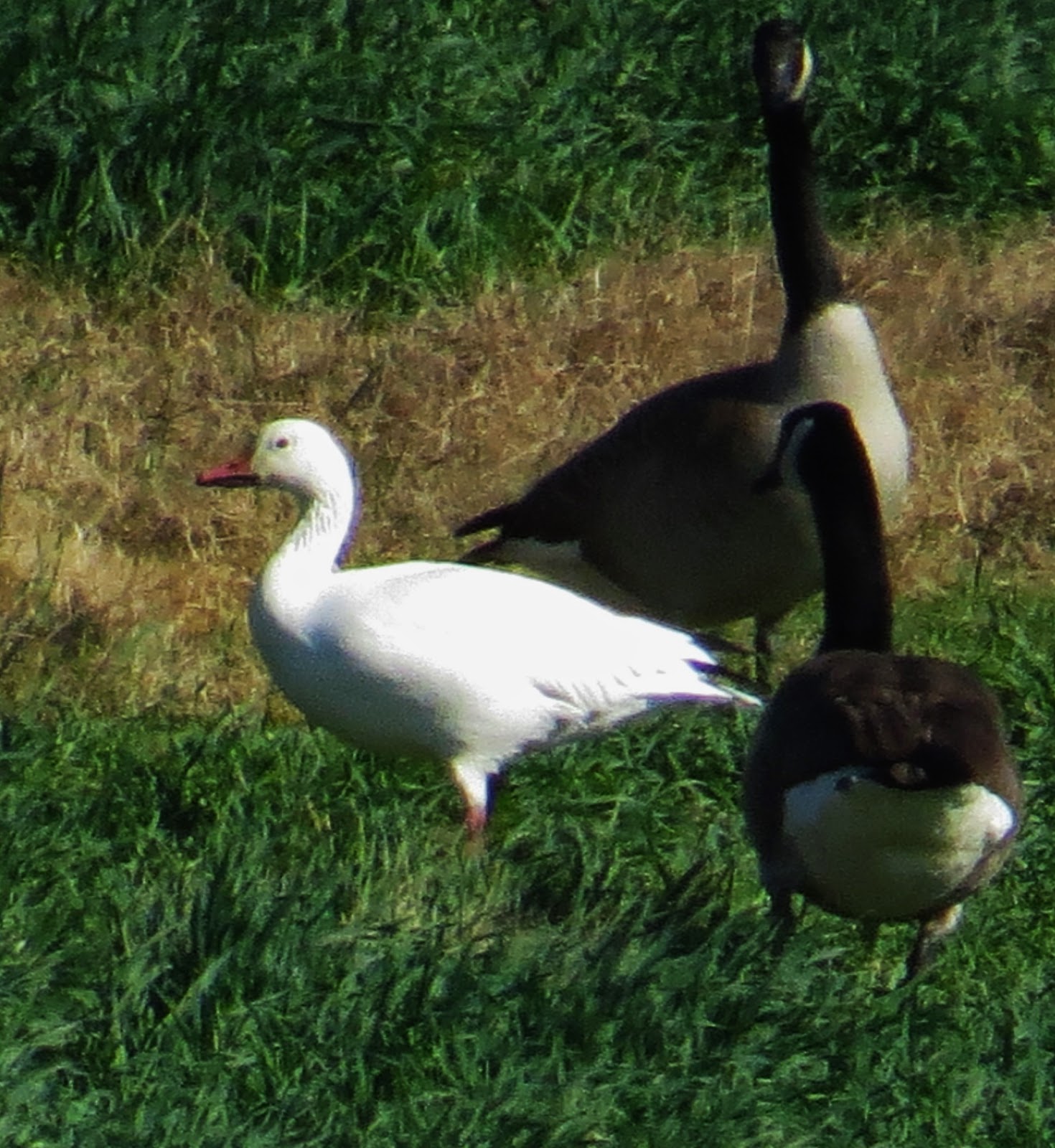
The pond is home to around a hundred canada geese and a lone snow goose. Other species present here included ruddy ducks, shovelers and dunlins. We were informed by a lady walking her dog that they were hopefully that the pair of whooping cranes that wintered here last winter would return any day.
Our state bird - the Northern Mockingbird


As we still had some sun light left, Bob wanted another try at getting some additional photography at St Marks. Yesterday's precipitation slowed him down a bit. We had a couple of hours of day light and revisited some of the same stops as yesterday
Canada Goose

Snow Goose

Geese in Tallahassee

St Marks

Monday, December 8th
Day Two - North Florida Trip

St Mark's Lighthouse


While camping at the yurt in Torreya State Park Bob Pelkey and I found that our smart phones clocks were bouncing back and forth between CST and EST. Seems we were sitting near t to the border of these time zones. The confusion got us a late start so that we didn't arrive  St Marks till 9:30.


Lesser Scaup at Lighthouse Pool
The day was overcast, chilly and drizzly. But we still found good birds. We would dip on a few targets that had been recently reported such as Ross's goose, Virginia rail, vermilion flycatcher and white-faced ibis

Started off with Eastern Phoebe and yellow-rumped warblers at the visitor center. Further down lighthouse road we added green-winged teal, coots, common gallinule, red-breasted merganser, swamp and savannah sparrows, eastern towhee, pied-billed grebes, belted kingfishers, northern harrier, red-shouldered hawk and the expected waders.


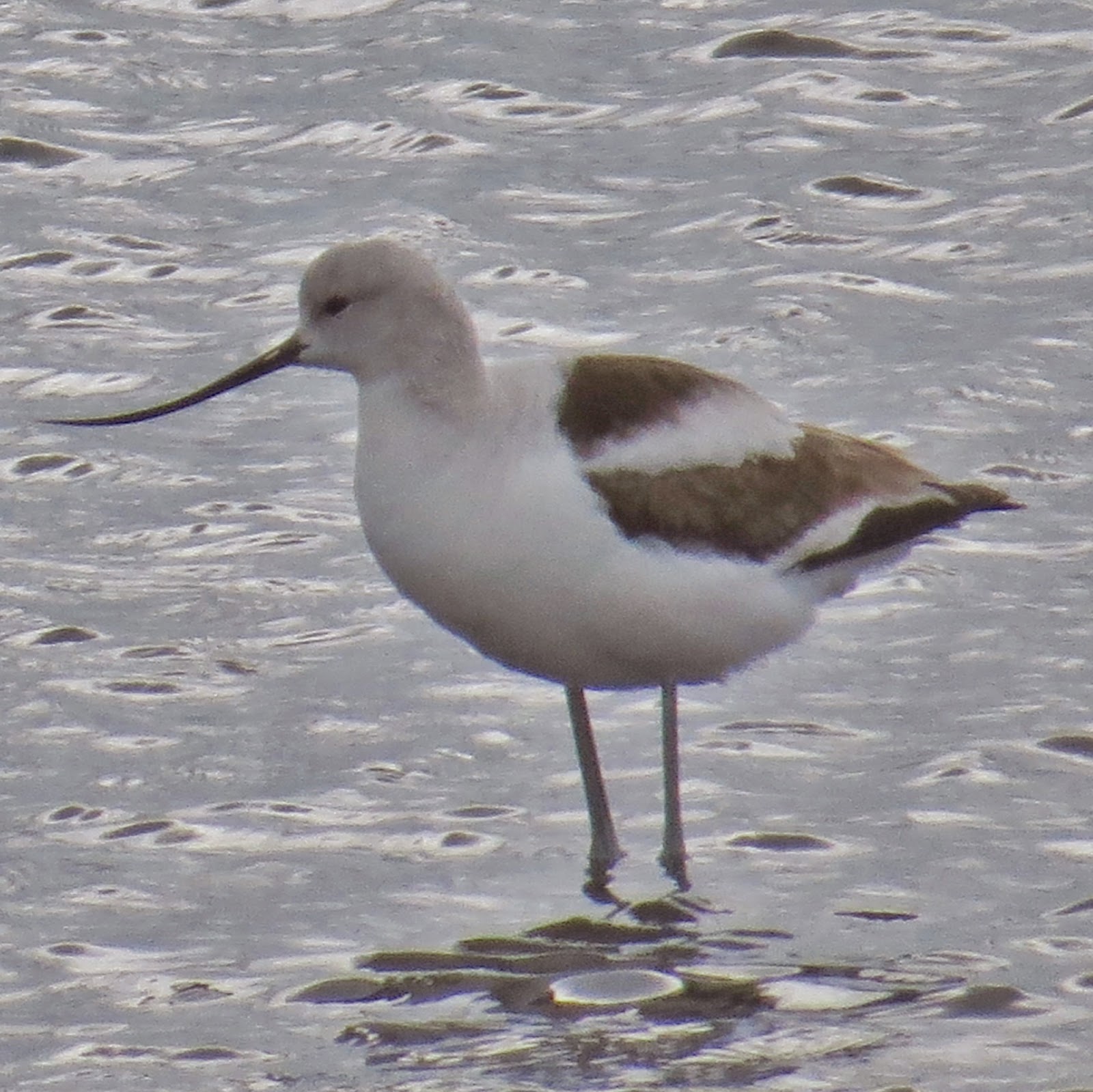
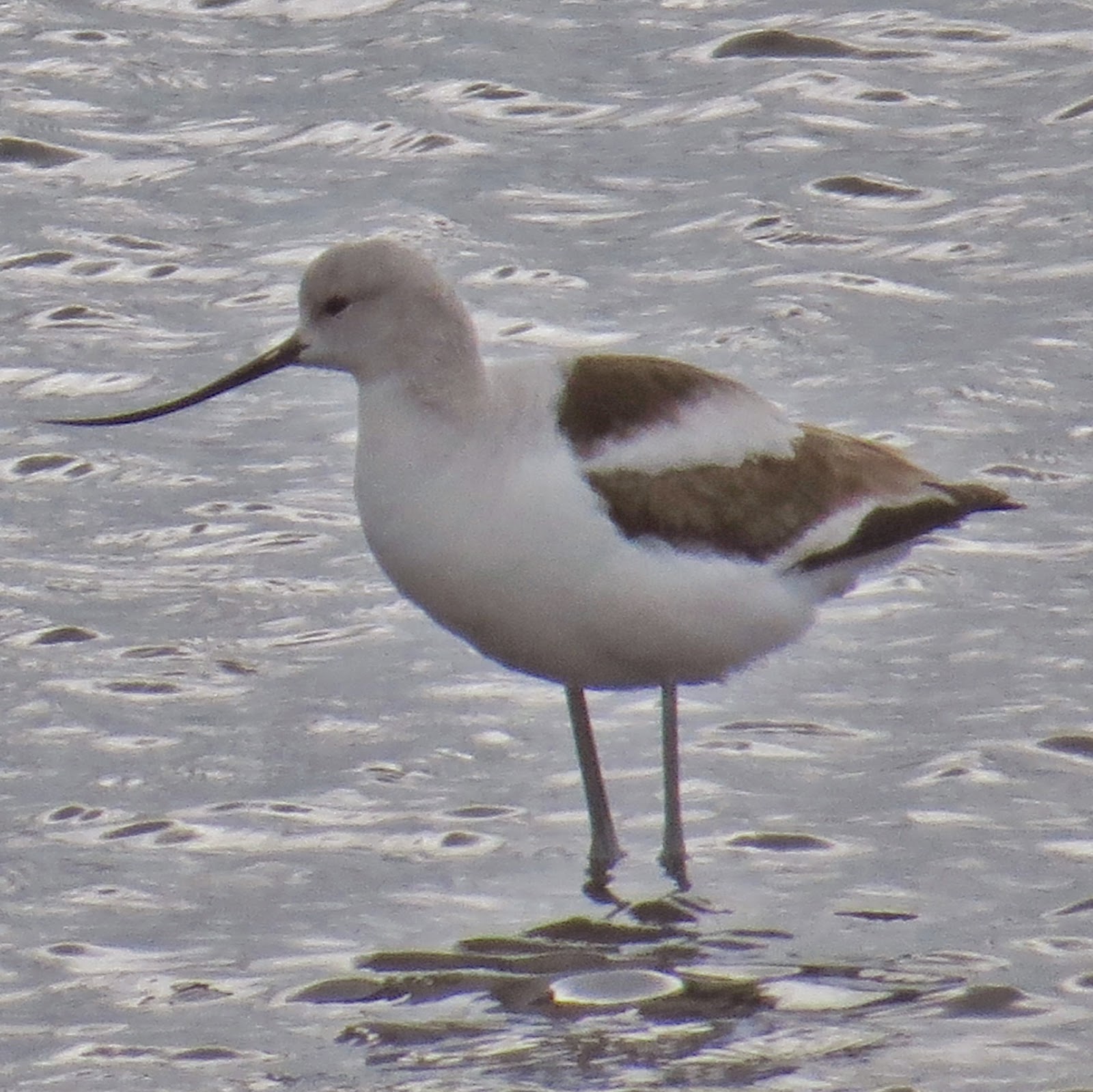
Reaching Stone Bayou we found a quartet of American avocet, a single black-necked stilt, and also willets, greater yellowlegs, more coots, least & western sandpipers, sb & lb dowitchers, wilson's snipe, eastern meadowlarks, least Scaup and bufflehead.
Drake Northern Shoveler


At the headquarters pond we had at least a dozen black-crowned night-herons, American wigeons, blue-winged teal, gadwall, ring-necked ducks, a sora, a bald eagle. purple and common gallinule and more waders.


Onto the lighthouse pool. There were hundreds of ducks including more a wigeons, northern shovelers, canvasbacks, redheads, lesser Scaup, and ruddy ducks.  At the sea grass zone along the beach we found nelsons sparrows, a suspected salt marsh sparrow. swamp sparrow, and a brief look at a sparrow sporting yellow head and breast markings. Heard clapper rail in the salt marsh east of the lighthouse. Off shore were common loons, horned grebes, bufflehead, least scaup, brown pelicans, ring-billed gulls, a royal tern and an active dolphin.
Eastern Phoebe


On the way out, we found the numbers of shorebirds had greatly increased at Stone Bayou. Hiked the dike road to the back of the bayou and added wood stork and american white pelicans

St Marks NWR is an awesome birding venue and a real jewel for birding in Florida.
American Wigeon

American Avocet

Nelson's Sharptail Sparrow

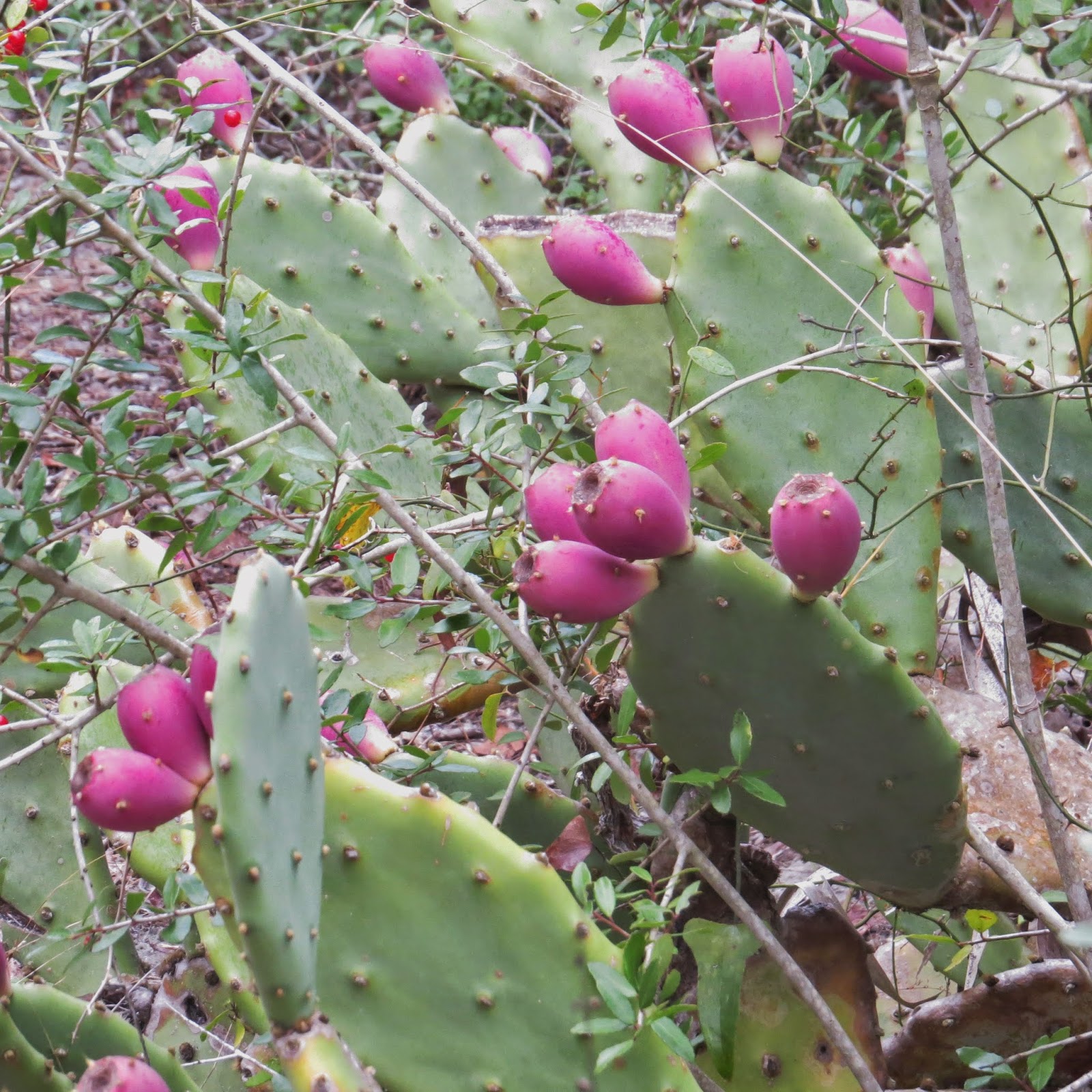
Fruiting Prickly Pear seen near the lighthouse boat launch

Sunday, December 14, 2014

Florida Caverns State Park

Sunday, December 7th
Day One - North Florida Trip

Winter Wren at Florida Caverns State  Park
Photo provided courtesy of Bob Pelkey


I have been anticipating making this trip to Florida's Panhandle for some time. Have been looking forward to birding here for several wintering birds that normally only migrate to this corner of the state. They include horned lark, golden-crowned kinglet, brown creeper and winter wren.  To find these you need to visit Jackson County, primarily Florida Caverns State Park in the winter season.
Vesper Sparrow on Concord Road


Therefore, after a long overnight drive with Bob Pelkey at the wheel we arrived at Florida Caverns a bit early as the gates were still closed.  So being early be elected to visit a sight on Concord Road, east of Malone, to shirt-tail reports of horned lark and purple finches.  Both of these birds rarely venture any further south than this point. We scoped the barren peanut and cotton fields along Concord. No larks or finches at the time, but had several Killdeer, Savannah Sparrows, a Vesper Sparrow a Kestrel and American Crows


So onto Florida Caverns State Park. The site is  fascinating and very unique to Florida. Though the Karst topography that creates the cave system is found throughout half of Florida, its climate/ecology is the most southern point for the temperate forests of the Appalachian chain. Besides the avian species that are a part of this ecology we find rare to Florida  flora like some personal favorites as Bloodroot, Mayapple, Trillium


The park rangers gave us directions to the best place to find our targets. An area known as the Sink, by the canoe put-in parking area on the Chipola River. Here we did have success.  Got our lifer sightings of Winter Wren, plus several Ruby-crowned Kinglets, a sole Golden-crowned Kinglets, White-eyed Vireo, Blue-headed Vireo, Carolina Chickadee, Downy Woodpeckers, Tufted Titmice and a couple of Hermit Thrushes.  The brown creeper was a no-show.


We moved onto the horse carrel location were we had a lot of Yellow-rumped Warblers, but also a couple of Pine Siskins, a Chipping Sparrow, a Cedar Wax-wing, American Robins and lots of Eastern Bluebirds.

Easter bluebird


We missed visiting the caverns, but would like to return on another occasion to see them.  A summer visit couple be enjoyable in locating breeding Mississippi Kites and Broad-winged Hawks

But noe was time to head about an hour south to Torreya State Park, along the bluffs above the Apalachicola River in Liberty County. This would be our base of operations for a few days as we're staying at the campgrounds.  Ever heard of a Yurt?  Nice way to camp.


Torreya Tree Decline


Torreya Guardians

Yurt Camping

Inside

Fire pit