Sunday, April 10, 2016

Birding in Early April

Sunday April 10th


Eastern Screech Owl seen at Six-Mile Cypress Slough
So far birding in early April hasn't been very exciting. We're seeing a smattering of migration activity at local hotspots, such as at Sanibel Lighthouse and Six-Mile Cypress Slough Preserve. 

So far I've been able to see FOS Gray Kingbird, Least Terns, Scarlet Tanager, Worm-eating Warbler, Prothonotary Warbler and Red-eyed Vireos.  Other sightings have included Swallow-tailed KitesNorthern Parulas, Yellow-throated Vireo, Blue-headed Vireos, Magnolia Warblers.

Other migrants being reported, but are yet to be in my line-of-sight include Cliff and Cave Swallows, Chimney Swifts, Eastern Kingbirds, Hooded Warblers, Swainson's Warbler, Blue Grosbeak. Many wintering species have definitely pulled-out already including Palm and Yellow-rumped Warblers, American Kestrels, Belted Kingfishers and Eastern Phoebes. Any day now, Common Nighthawks will show-up for the summer as well.
Cedar Waxwing 

Currently, a flock of Cedar Waxwings are being seen daily just outside my door. They will probably hang around for a couple more weeks, till they begin to follow Spring as it expands northward.

Monday, March 28, 2016

Bunche Beach

Monday, March 28th


Bunche Beach Preserve is a stretch shoreline, mangroves and salt flats managed by the Lee County Parks Department.  It is also an important stop-over spot for migratory shorebirds including plovers, sandpipers, dowitchers, red knots and others.

A Dunlin and a Snowy Plover at Bunche Beach

 Recently a long-billed curlew has reappeared, and a few whimbrels were spotted last Saturday and there was the American Flamingo that showed-up a few weeks back. 

Today I missed these birds but did enjoy watching several others including a pair of Red Knots, a trio of Snowy Plovers and a dozen or so Marbled Godwits. 
Marbled Godwit

Marbled Godwit

Sadly the remains of a small loggerhead turtle was also seen at the beach today. Florida Fish and Wildlife should be collecting the remains.


From the web site of Turtle Time, Inc -

To report dead or injured sea turtles, or, if you have accidentally hooked a sea turtle that is small enough to rescue, contact: Florida Fish and Wildlife Conservation Commission at 1-888-404-FWCC, or call Turtle Time, Inc. 239-481-5566 immediately.


Snowy Plover


Snowy Plover

Dunlin

Red Knots

Sanderling

Friday, March 25, 2016

Bird Rookery Swamp

Tuesday March 22nd


Red-shouldered Hawk
Today, Bob Pelkey and I visited the Bird Rookery Swamp Trail on C.R.E.W. property near Golden Gate in Collier County. We hiked a mile or two, enjoying the cool weather, the beauty of the swamp and the birds. There were lots of Northern Parulas, Great Crested Flycatchers, Red-shouldered Hawks, Swallow-tailed Kites, Purple Martins. White-eyed Vireos, Common Yellowthroats, Belted Kingfishers and the many expected waders species. Additional many species of butterflies, dragonflies and wildflowers added to the day.

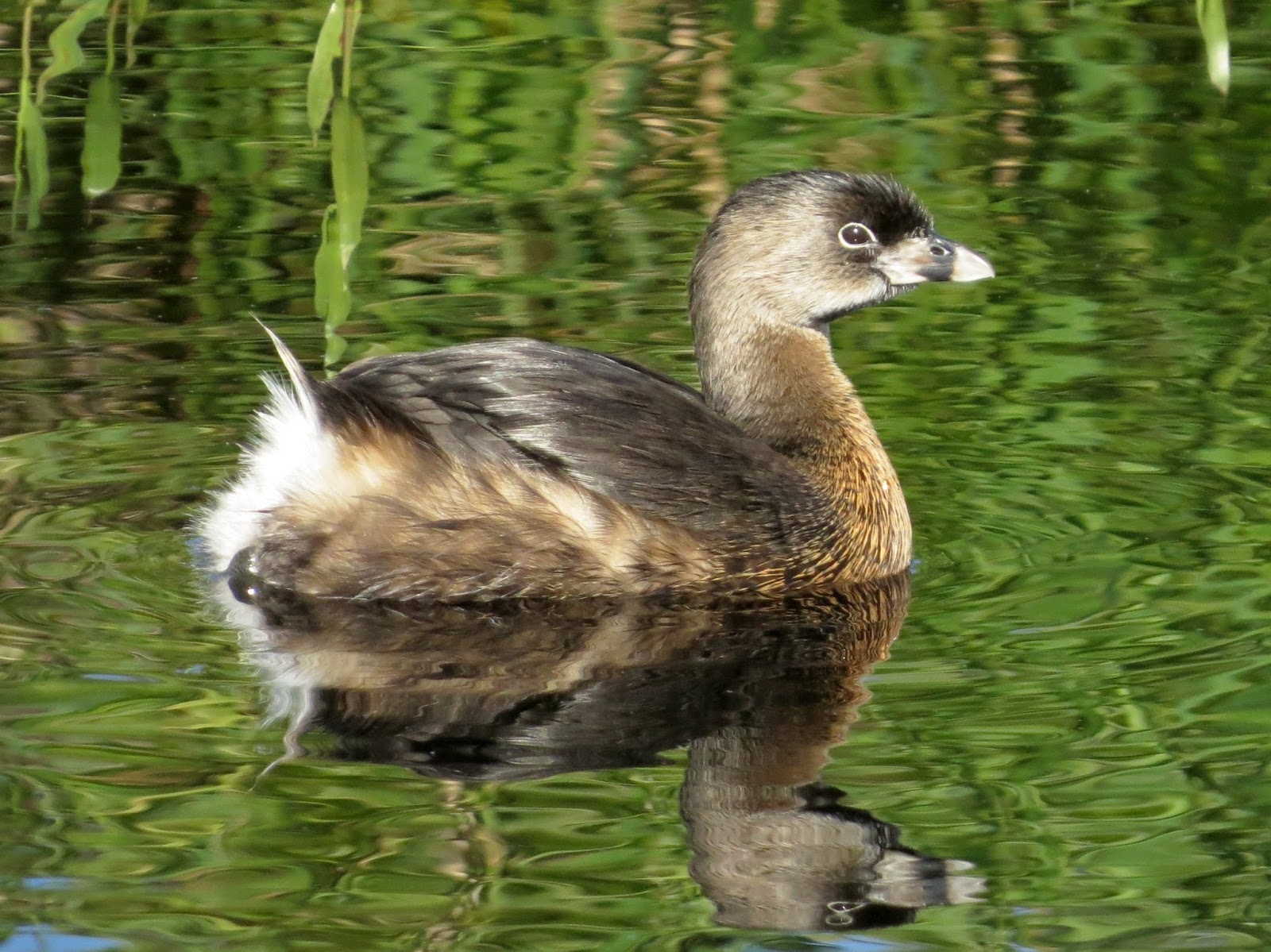
Pied-billed Grebe

Pied-billed Grebe

Tuesday, March 15, 2016

Crandon Park - Miami

Tuesday, March 15th

Yesterday, reports came out about the sighting of a Cuban Pewee, a rare vagrant to the U. S. being seen at Crandon Park in Miami.  The bird had been seen in the same area for the past two days, so there were a few birders, including Dave and Tammy McQuade, Dennis Peacock, Lee, Neil Hayward, Leslie Starr, Joe Turner, Trey Mitchell and  Larry Manfredi, who, today, waited for hours for a return visit of the rarity at the anointed sight. 

After seven hours Bob Pelkey and I gave up, as had most everyone else. Hopefully it'll be relocated soon. 

Birds we did observed at the location included Cape May, Yellow-rumped, Palm and Black-and-White Warblers, Red-bellied Woodpeckers, a Yellow-throated Vireo, Sandhill Cranes, Red-shouldered Hawk, Turkey Vultures, White Ibis, American Coot and Common Gallinules

Exotics

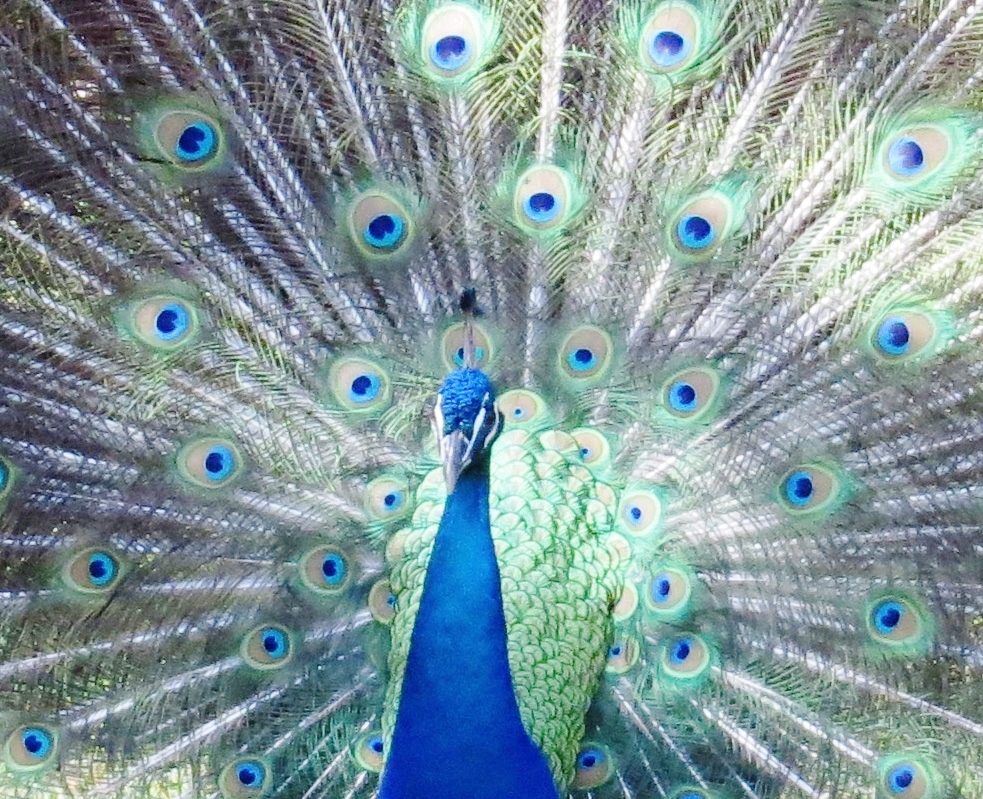
Lots of Peacocks were present


The park was loaded with lots of exotic birds and reptiles. Larry Manfredi was telling us that this location had once housed a mix exotic waterfowl and other birds. The surviving population included a large number of feral Peafowl and Egyptian Geese. Plus we observed several specimens of Spiny-tailed Iguanas of varying sizes.

Egyptian Geese
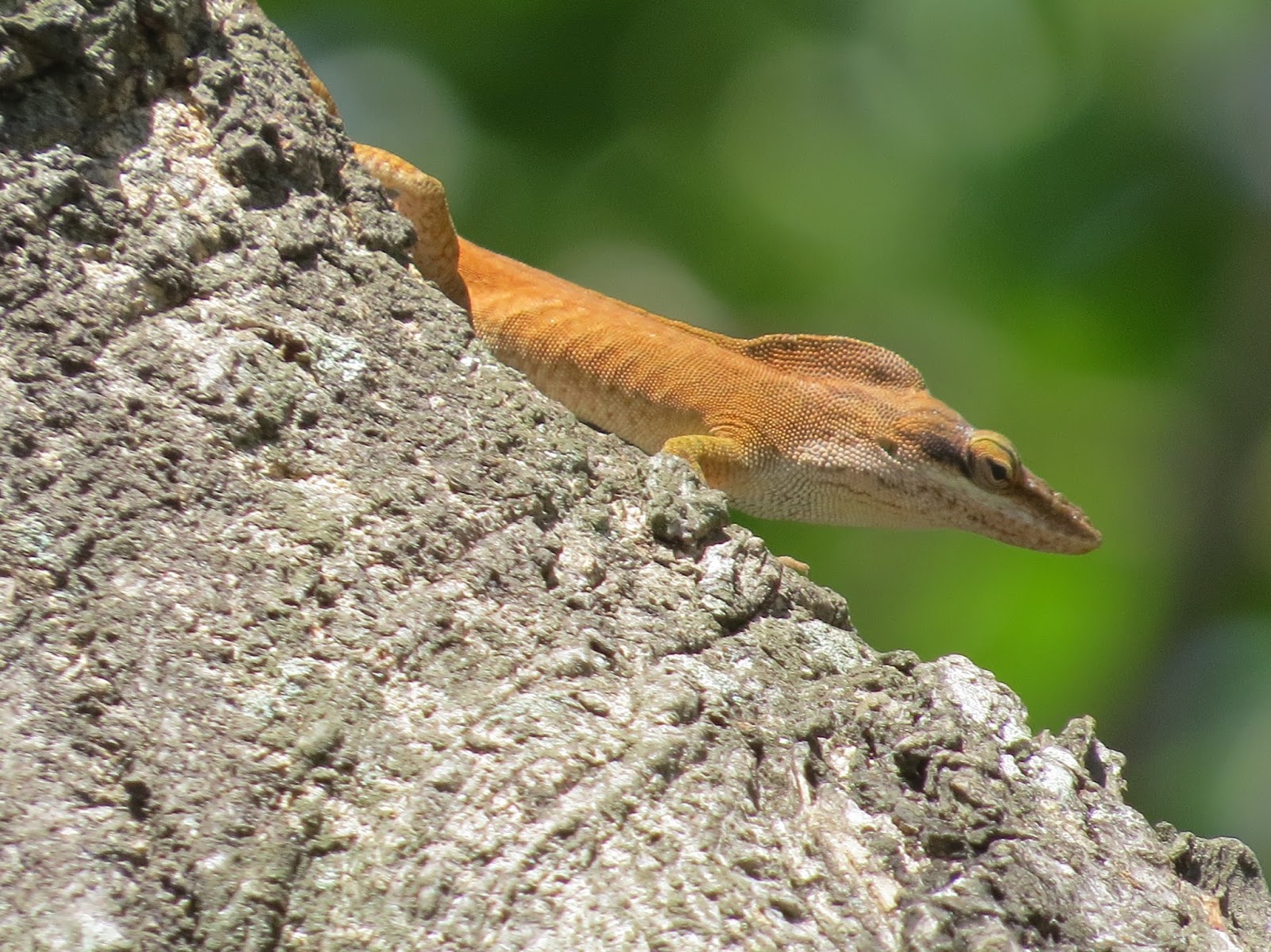
Spiny-tailed Iguana

Beach

On the beach, bordering the Biscayne Bay, were several gull and tern species including Herring Gulls, Lesser Black-backed Gulls, Laughing Gulls, Ring-billed Gulls and Royal Terns, Also present was a large gathering of Double-crested Cormorants, and a few Brown Pelicans.
Double-crested Cormorant

Royal Tern

Lesser Black-backed Gull

Lesser Black-backed Gull

Laughing Gull

Sunday, March 13, 2016

Spring is Around the Corner

Sunday March 13th


Painted Bunting

Recently visited a friends' feeders and noted that the Indigo Buntings and Goldfinches are molting into their summer colors. 

Soon.these fellas will  be heading north along with the Yellow-rumped Warblers, Blue-headed Vireos, Belted Kingfishers and American Kestrels. 

But we'll also soon be enjoying the arrivals of colorful warblers, grosbeaks, swallows, tanagers, orioles, vireos and more.  If the winds are favorable for them, most will fly past us. Otherwise we will have the opportunity to observe these neo-tropical sojourners as they rest and feed. Some will make beautiful Southwest Florida their summer retreat, while the rest attempt to speed north as quickly as possible,to their favorite nesting territories 
Indigo Bunting

American Goldfinches
This Cooper's Hawk is a resident in my neighborhood
Red-bellied Woodpecker
Carolina Wren
Eastern Phoebe

Red-headed Woodpecker


Monday, March 7, 2016

Yellow Chevroned Parakeet

Tuesday March 1st

Zenaida Dove photographed By Tammy McQuade
at Long Key SP on February 26th
An ABA Code 5 bird called a Zenaida Dove, a Caribbean bird, has been very consistently reported at Long Key State Park Park down in the Florida Keys. Today, Bob Pelkey and I traveled the four hour drive from Ft Myers arriving at 8 o'clock as the park was opening. 

We located the staked-out spot  that the dove is known to frequent. We shared the spot with a fella named Mark from Atlanta who was making his second attempt to see the bird, because he had dipped on it a couple of days before. A nice couple from Oregon were also waiting patiently.  By noon Bob and I gave up and left the park. Heard from later from Mark that he  had again dipped on the bird,  even though he had stayed until dark.
No Zenaida Dove seen by us today, but there were Hermit Crab races going on.

We next left the Keys and headed to Lucky Hammock/ the Annex sight on Aerojet  Road, outside the entrance to Everglades National Park. You never know exactly what to expect when visiting here. In the past it has been a great spot to watch raptors. We saw none today. One target we expected was a Brown-crested Flycatcher observed by friends a few weeks ago. The best we got was to hear its call. That counts but isn't as satisfying as getting a photo. Some birds we did see included Great Crested Flycatchers, Tree Swallows, Northern Flicker, Painted Bunting, Northern Parula, Blue-headed and White-eyed Vireos, Common Ground Doves, a Scissor-tailed Flycatcher and Western Kingbird. Bob spotted an unidentifiable oriole. Don't know if it was a Spot-breasted or Baltimore Oriole.
Scissor-tailed Flycatcher near Lucky Hammock

Western Kingbird near Lucky Hammock


White-winged Dove
With day-light waning we next visited the nearby Castellow Hammock Park seeking the also reliable, but rare to Florida, Buff-breasted Hummingbird. I had seen the species back in November in south Texas, but for Bob it would be a lifer. We stayed until dark and could occasionally hear the bird, but it never appeared in front of us. We did see a couple of Ruby-throated Hummingbirds, plus an Ovenbird, Northern Parulas, Palm, Black-and-white,  & Yellow-rumped Warblers, heard a calling Common Hill Myna.  Also White-wing, Eurasian Collared and Mourning Doves. The star as a lone Yellow Chevroned Parakeet sitting in a tree above the butterfly garden

Yellow Chevroned Parakeet seen at Castellow Hammock Park

Monday, February 29, 2016

Ding Darling NWR Hosting a Rare Visitor

Tuesday February 29th

Great White Pelican seen at Ding Darling NWR on Sanibel Island

Yesterday morning the first alerts of the sighting of, perhaps a first for North American, of a female Great White Pelican at nearby Ding Darling NWR. Big crowds quickly gathered to spot this large bird as it rested on a sandbar along the Wildlife Drive in the company of American White Pelicans.

 The contrast between the two species is quite apparent. The Great White Pelican is larger, with big bulging eyes.  It is normally found in parts of southeastern Europe, Africa and Asia.


So this morning I joined the crowd and got a tremendous look at the pelican, who was nice enough to hang around. Best time of the day to try for this bird is during low tide.


Common Loon also on hand

Spotted Sandpiper